Careers

Top Future Trends in Plant Based Food for Global Buyers?

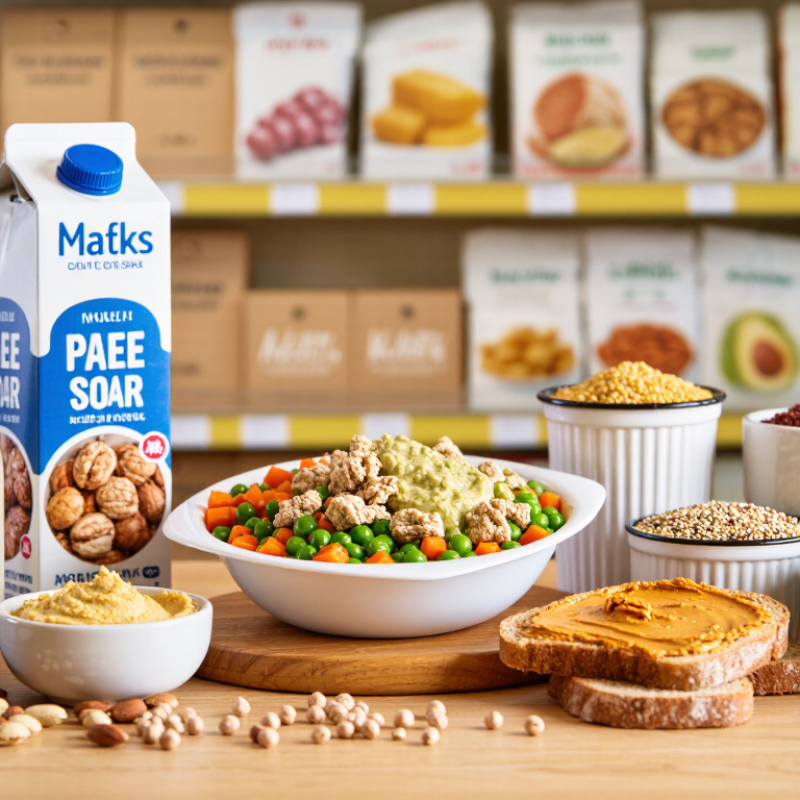
The future of plant based food is moving beyond simple meat alternatives. Global buyers now examine taste, nutrition, price, sourcing, and environmental performance together. A successful product must perform in real kitchens, not only in presentations. Think of a chilled oat drink beside dairy products, or a frozen pea-protein meal under supermarket lighting. These details influence repeat purchases.

Market growth is creating opportunities for manufacturers, distributors, retailers, and foodservice operators. However, demand differs across regions. Asian buyers may prioritize familiar flavors and affordable formats. European customers may focus more closely on labeling and environmental evidence. North American retailers often seek scalable supply and strong brand differentiation. Reliable decisions require more than sales forecasts. Buyers should review supplier audits, ingredient traceability, nutrition panels, shelf-life tests, and independent lifecycle assessments. Certifications can help, but they should never replace careful verification.

Important trends include precision fermentation, improved plant proteins, climate-resilient crops, clean-label formulations, and convenient ready-to-eat meals. Better processing may reduce chalky textures and unwanted aftertastes. Still, progress is uneven. Some innovations remain expensive, energy-intensive, or difficult to scale. That matters.

This article explores practical trends shaping global procurement and product development. It also considers what may go wrong. Not every plant-based product is automatically healthy, affordable, or sustainable. Buyers need evidence, regional knowledge, and honest supplier communication. The strongest opportunities will likely come from products that combine familiar eating experiences with measurable improvements. For global markets, flexibility may matter as much as innovation.

Top Future Trends in Plant Based Food for Global Buyers?

Plant-Based Food: Definition, Scope, and Global Market Role

Plant-based food means products made mainly from plants, including legumes, grains, nuts, seeds, vegetables, and algae. The category covers milk alternatives, meat alternatives, ready meals, snacks, and food ingredients. It is not automatically vegan, so buyers should verify formulation, processing, and allergen controls. The Good Food Institute reported that the U.S. plant-based retail market reached 8.1 billion dollars in 2023. However, unit sales weakened in several segments. Growth is real, but uneven.

Its global market role extends beyond consumer choice. Plant-based products can diversify protein supply and reduce dependence on livestock systems. The FAO estimated that livestock supply chains created about 14.5% of human-caused greenhouse gas emissions. Future demand may favor shorter ingredient lists, better texture, affordable nutrition, and regionally familiar crops. Buyers should also examine protein quality, sodium levels, shelf life, and cold-chain needs. Some market forecasts look extremely optimistic. They may overlook price pressure and cultural preferences. That deserves careful reflection.

Tips: Request third-party testing and clear origin records. Compare protein per serving, not package size. Check allergen statements before large orders. Pilot products in small markets first. The 2024 Global State of the Plant-Based Foods Industry report from GFI also emphasizes manufacturing capacity and price as major scaling challenges. A practical sourcing plan should balance sustainability claims with measurable costs, local regulations, and reliable supply.

Key Consumer Drivers Shaping Future Plant-Based Food Demand

Plant-based food demand is moving beyond novelty. Global buyers increasingly seek products that fit health goals, ethical values, and everyday routines. Many consumers compare protein, fiber, sugar, and sodium before checking packaging claims. Clear labels build trust, especially when shoppers feel overwhelmed by unfamiliar ingredients. Taste remains decisive. A product may promise sustainability, but repeated purchase depends on texture, flavor, and cooking performance.

Affordability is another powerful driver. Families often test plant-based options during weekly shopping, then measure value against familiar foods. Convenient formats, such as chilled meals, cooking sauces, and ready-to-use proteins, can reduce hesitation. Regional preferences also matter. Buyers in one market may favor soy-based foods, while another prefers peas, grains, or local legumes. My experience reviewing food trends suggests that flexibility beats one global formula. Still, this picture is incomplete. Price pressure can quickly weaken ethical intentions.

Tips: Buyers should request evidence for nutrition and sustainability claims. Check serving sizes, allergen controls, shelf life, and storage requirements. Conduct small taste trials with local consumers before placing large orders. Ask whether the product performs in real kitchens, not only controlled demonstrations. Monitor repeat purchases, not just first-time curiosity. A crunchy sample may impress today, but consistent quality earns tomorrow’s demand.

Emerging Ingredients and Technologies Transforming Product Development

Top Future Trends in Plant Based Food for Global Buyers?

Plant-based product development is moving beyond soy and basic pea protein. Fava bean, chickpea, oat, potato, and sunflower proteins offer different textures and allergen profiles. Mycoprotein can create fibrous bites with less intensive processing. According to the Good Food Institute’s 2024 State of the Industry report, global investment in alternative proteins reached about $3.2 billion in 2023. Funding slowed sharply, however. That slowdown encourages stronger evidence, not louder claims.

Fermentation is becoming a practical development tool. Biomass fermentation can produce dense, savory ingredients, while precision fermentation may create dairy-like proteins without conventional livestock farming. High-moisture extrusion also improves tenderness, moisture retention, and cooking performance. Buyers should request protein digestibility, amino-acid, allergen, and shelf-life data. The Food and Agriculture Organization reports that livestock systems contribute roughly 14.5% of human-caused greenhouse-gas emissions, but plant-based products are not automatically low-impact. Energy use, water demand, and imported ingredients still require careful measurement.

Taste remains the difficult test.

My product trials suggest that a clean ingredient list can reduce consumer hesitation, yet it may also limit texture. New technologies sometimes solve one problem while creating another, such as excessive sodium or unfamiliar processing aids. Global buyers should compare life-cycle assessments, regional regulations, sensory panels, and realistic retail storage conditions. The strongest products will likely combine familiar crops with fermentation and better processing, rather than depend on one fashionable ingredient.

Top Future Trends in Plant-Based Food for Global Buyers

Emerging ingredients and food technologies are increasingly built around scalable crop supply, improved protein functionality, and more efficient processing. The chart compares major plant-based feedstocks by approximate global production volume.

Production data are rounded 2023 global estimates in million metric tonnes, based on FAOSTAT crop-production statistics. Soybeans provide a large established protein base, while oats, peas, chickpeas, and potatoes support growth in beverages, meat alternatives, concentrates, starch systems, and fermentation-based product development.

Regional Market Trends and Opportunities for Global Buyers

Regional demand is reshaping the plant-based food market. The Good Food Institute reported global plant-based meat retail sales of about US$7.9 billion in 2023. North American buyers still seek familiar burgers and nuggets, but price remains a serious barrier. Private-label products and smaller portions may improve trial rates.

Asia-Pacific offers different opportunities. Euromonitor International identifies plant-based milk as a major category, supported by urban growth and changing dietary preferences. Soy, oat, and coconut formats can suit local meals, beverages, and retail channels. Texture matters greatly. A product designed for Western sandwiches may fail beside noodles, rice, or hot drinks.

Regional adaptation is essential. European buyers often examine sustainability claims, ingredient lists, and protein content. Middle Eastern and African markets may favor shelf-stable products with clear certification and affordable packaging. Latin American buyers could respond better to familiar beans, maize, and spice profiles than imported concepts. The World Resources Institute also links plant-rich diets with lower environmental pressure, although actual benefits depend on farming and processing methods.

The data is useful, but incomplete. Sales figures rarely explain repeat purchases, waste, or local affordability. Global buyers should test products with regional distributors, retailers, and consumers before scaling. Small pilots reveal more than broad assumptions.

Sourcing, Regulation, Sustainability, and Trade Considerations

Global buyers are expanding plant-based portfolios, but sourcing now requires sharper evidence. The Good Food Institute reported global plant-based meat retail sales of approximately US$6.1 billion in 2022. Yet demand varies widely by region, income, and product category. Buyers should assess protein yield, processing capacity, harvest timing, and supplier resilience. A cheap ingredient is not always a secure ingredient.

Regulation can change market access quickly. Check allergen rules, nutrition claims, novel-food requirements, and product naming standards before signing contracts. Customs classification also affects duties and border delays. OECD-FAO agricultural outlook data highlights continued growth in agricultural trade, but climate shocks can disrupt transport and supply volumes. Sustainability claims need measurable boundaries. A peer-reviewed Science study found that plant-based foods generally create lower emissions than animal-based foods, though processing, energy use, packaging, and land conversion still matter. The evidence is strong, but not perfect.

Tips: Request recent certificates, origin records, and laboratory results. Compare suppliers using the same carbon and water boundaries. Add contingency suppliers for key proteins. Test labeling with local regulatory specialists. Do not rely on one sustainability score. It can hide important assumptions. Buyers should also review port access, cold-chain needs, currency exposure, and contract terms. Small gaps become expensive during border inspections. A practical pilot shipment often reveals more than a polished presentation.

Top Future Trends in Plant-Based Food for Global Buyers: Sourcing, Regulation, Sustainability, and Trade Considerations

Trend Area Current Evidence or Market Signal Key Sourcing Inputs Regulatory and Trade Considerations Sustainability Checkpoints Recommended Buyer Action Reference Basis
Diversified Plant Proteins Buyers are expanding beyond soy and pea to include fava bean, chickpea, lentil, oat, wheat, potato, and blended protein systems. Protein concentration, amino-acid profile, flavor neutrality, allergen status, crop origin, processing capacity, and year-round availability. Ingredient classification and labeling rules differ by destination market. Wheat and some legumes may trigger allergen declarations. Compare irrigation, fertilizer use, crop rotation, land-use change, and transport impacts rather than relying on the crop name alone. Build a multi-origin ingredient portfolio and qualify at least one technically compatible alternative for each critical protein input. FAO food and agriculture data; Codex General Standard for the Labelling of Prepackaged Foods.
Low-Processing and Familiar Formats Retail and food-service demand is moving toward recognizable ingredients, shorter ingredient lists, and familiar formats such as beans, tofu, tempeh, vegetable pieces, and frozen meals. Texture stability, cooking performance, clean-label formulation, cold-chain capability, shelf life, and raw-material consistency. Nutrition and health claims must be substantiated and must comply with the rules of the importing jurisdiction. Assess processing energy, water use, packaging format, food waste, and the product's storage requirements. Use standardized product specifications covering ingredient identity, additives, processing steps, shelf life, and storage conditions. Codex food-labelling principles; national food-label and nutrition-claim legislation.
Soy Traceability and Deforestation Due Diligence Soy remains an important protein and oilseed input, but buyers face greater scrutiny over origin, land-use change, and supply-chain traceability. Geolocation, farm or sourcing-area records, mass-balance rules, segregation capability, certificates, and chain-of-custody documentation. Soy is one of the commodities covered by the European Union Deforestation Regulation. Importers may need documented due diligence and geolocation information for covered products. Check deforestation-free status, legal production, conversion risk, biodiversity impacts, and credibility of verification systems. Require origin-level traceability for high-risk supply chains and maintain a documented corrective-action process. European Union Deforestation Regulation, Regulation (EU) 2023/1115; FAO land-use and agriculture resources.
Climate and Environmental Data Global buyers increasingly request product carbon footprints, water information, packaging data, and evidence supporting environmental claims. Farm inputs, energy mix, processing yield, transport distance, packaging composition, waste rates, and life-cycle assessment boundaries. Environmental claims should be accurate, clear, substantiated, and not misleading. Requirements vary across markets and may include disclosure obligations. Use consistent scopes and functional units; distinguish primary measured data from estimates and avoid unsupported “carbon-neutral” claims. Request a repeatable environmental-data template and set improvement targets for energy, water, packaging, and waste. ISO 14040 and ISO 14044 life-cycle assessment principles; ISO 14067 carbon-footprint guidance.
Novel Foods and Alternative Proteins Fermentation-derived ingredients, mycoprotein-type products, algae ingredients, and cell-based foods are receiving increasing research and investment attention. Production organism or cell source, manufacturing controls, allergen assessment, compositional specifications, stability data, and scale-up capacity. Some products may require pre-market authorization as novel foods or other regulated food ingredients. Approval in one jurisdiction does not automatically permit sale elsewhere. Evaluate fermentation feedstocks, energy demand, water use, waste streams, and evidence supporting environmental advantages. Confirm regulatory status before commercial commitments and request a market-by-market compliance matrix. European Commission novel food framework; U.S. FDA food ingredient and food-safety guidance.
Nutrition Reformulation Product developers are focusing on protein quality, fiber, iron, vitamin B12, calcium, sodium, saturated fat, and overall nutritional density. Protein digestibility, fortification stability, micronutrient bioavailability, sodium level, oil composition, and nutrition-panel accuracy. Fortification permissions, reference values, nutrient thresholds, and health-claim rules are jurisdiction-specific. “High-protein” and similar claims require compliance with local criteria. Balance nutritional improvements with ingredient sourcing, processing energy, packaging, and food-waste considerations. Obtain laboratory results for each production lot and verify nutrition declarations before market launch. Codex Guidelines for Nutrition Labelling; national nutrition-labelling and health-claim regulations.
Allergen, Contamination, and Food Safety Controls As plant-based portfolios become more diverse, buyers need stronger controls for allergens, mycotoxins, pesticide residues, heavy metals, pathogens, and cross-contact. Supplier approval, hazard analysis, testing plans, segregation procedures, sanitation validation, recall capability, and batch traceability. Mandatory allergen lists and maximum residue or contaminant limits differ by importing market. Documentation must support customs and food-safety inspections. Prefer integrated controls that reduce rejected batches, product loss, unnecessary testing, and avoidable disposal. Use risk-based testing by ingredient and origin, with certificates of analysis linked to lot numbers. Codex General Principles of Food Hygiene and HACCP system; national food-safety standards.
Packaging Circularity Buyers are prioritizing lower packaging weight, recyclable structures, recycled content, and clearer end-of-life instructions. Packaging material, barrier performance, seal integrity, recycled-content availability, food-contact compliance, and local recycling compatibility. Packaging, extended producer responsibility, recycling labels, and food-contact rules differ by market. EU packaging requirements are undergoing regulatory development and implementation. Measure packaging intensity, recyclability in the target market, material mix, transport protection, and food-waste trade-offs. Select packaging based on verified local end-of-life pathways rather than recyclability claims alone. European Union Packaging and Packaging Waste regulatory framework; relevant national packaging laws.
Regionalization and Supply Resilience Weather events, crop disease, energy prices, shipping disruption, and geopolitical changes can affect crop availability, lead times, and ingredient costs. Origin diversification, safety stock, alternative ports, supplier capacity, crop calendars, contract terms, and currency exposure. Import tariffs, tariff-rate quotas, customs classification, rules of origin, sanitary controls, and documentary requirements may change landed cost. Shorter and more transparent supply chains can improve resilience, but local sourcing should still be assessed for land, water, and energy impacts. Model landed cost under multiple origins and maintain approved substitute specifications before disruptions occur. World Trade Organization customs, SPS, and TBT frameworks; national tariff schedules and import rules.
Transparent Claims and Consumer Trust Consumers and regulators are paying closer attention to terms such as “natural,” “sustainable,” “organic,” “non-GMO,” “vegan,” and “carbon reduced.” Claim definitions, certification records, chain-of-custody evidence, product composition, audit reports, and documentation retention. Labels must not be false or misleading. “Vegan” and environmental claims may be governed by different rules, guidance, or enforcement practices in each market. Use measurable claim boundaries, disclose relevant exclusions, and avoid broad claims that cannot be verified across the full product life cycle. Create a claim-substantiation file before purchase orders, including evidence, approved wording, validity period, and responsible owner. International Organization for Standardization environmental-claim principles; national consumer-protection and labelling authorities.
Buyer note: Regulatory requirements, tariffs, approved ingredients, claim rules, and implementation dates should be verified for the specific destination market before shipment.