

Careers

How to Source for the Future of Plant Based Food?

The future of plant based food will depend on smarter sourcing, not simply louder marketing. Consumers now expect credible nutrition, stable prices, and dependable availability. The Good Food Institute’s 2023 State of the Industry report recorded approximately $1.6 billion in alternative protein investment worldwide. That figure shows strong interest, but it also reveals pressure. Capital is becoming more selective.

Recent retail data adds a necessary warning. Circana and the Plant Based Foods Association reported that U.S. plant-based food retail sales reached about $8.1 billion in 2023. However, unit sales weakened in several categories. Growth alone cannot prove product strength. Procurement teams must examine repeat purchases, ingredient costs, and household affordability. These details matter more than impressive launch figures.

A practical sourcing strategy should begin with verified suppliers, transparent farm records, and clear quality specifications. It should assess soy, pea, oat, potato, and emerging ingredients across climate exposure, water use, transportation distance, and processing capacity. The Food and Agriculture Organization continues to emphasize resilient food systems and responsible resource management. Those principles belong in supplier scorecards, not only sustainability reports.

Experience also teaches an uncomfortable lesson: one supplier rarely solves every risk. A cheaper ingredient may create higher logistics costs or inconsistent texture. A local supplier may lack dependable volume. These trade-offs require testing. Small pilot orders, third-party audits, and batch-level traceability can expose weaknesses before national distribution begins. The sourcing process should remain flexible, evidence-led, and willing to revise assumptions. The best future-facing decision may not be the most fashionable one.
How to Source for the Future of Plant Based Food?

Defining the Future of Plant-Based Food Sourcing

Defining the future of plant-based food sourcing requires more than finding cheaper ingredients. It requires evidence, traceability, and practical resilience. Suppliers should document crop origin, harvest timing, processing conditions, and allergen controls. A clear paper trail matters.

The Good Food Institute’s 2023 U.S. retail analysis valued plant-based food sales at approximately $8.1 billion. However, category growth has slowed, showing that consumers still question price, taste, and nutrition. Sourcing teams should therefore evaluate functional performance, not only environmental claims. Protein content, water absorption, texture, and cooking stability should be tested in real kitchens. Small trials reveal problems early.

Climate risk also changes the sourcing equation. Ingredient portfolios should include regional alternatives, seasonal contracts, and backup processors. The Good Food Institute’s 2024 investment report recorded about $1.6 billion invested in alternative proteins globally during 2023. Capital is present, but raw-material systems remain uneven. That gap needs attention. Life-cycle data from suppliers should be independently reviewed, because incomplete comparisons can create misleading sustainability claims. Lower emissions are valuable, yet poor labor oversight or weak traceability can undermine trust. The strongest sourcing model connects farm-level evidence with consistent product performance. It may not be perfect. It should be honest enough to improve.

Identifying Sustainable Ingredients and Reliable Suppliers

How to Source for the Future of Plant-Based Food?

Sustainable sourcing begins with the ingredient’s full journey, not its label. Ask where crops are grown, how soil is managed, and how water is used. I have found that local availability can reduce transport emissions, but it may limit year-round supply. That trade-off needs honest planning. Choose ingredients with clear traceability, responsible farming practices, and realistic production volumes. Certifications can help, but they are evidence, not complete proof. Review audit dates, testing records, and corrective actions before approval.

Tips: Request a sample, specification sheet, allergen statement, and recent laboratory results. Visit the facility when possible. Check worker safety, waste handling, and storage conditions. Ask suppliers how they respond to drought, crop failure, or sudden demand. A second qualified supplier can protect production without encouraging careless over-ordering.

Reliable partnerships require more than a low quotation. Discuss minimum order quantities, lead times, payment terms, and quality tolerances in writing. Test each batch for identity, contamination, moisture, and functionality before full production. Keep a supplier scorecard and review it quarterly. Some suppliers will promise more than they can deliver. I have made that mistake before. A smaller supplier may offer better communication, yet struggle with scale. That weakness should be recorded, not ignored. Build trust through transparent data, consistent checks, and conversations that include uncomfortable questions.

Evaluating Quality, Nutrition, Traceability, and Food Safety

How to Source for the Future of Plant Based Food?

Evaluating Quality, Nutrition, Traceability, and Food Safety

Sourcing plant-based ingredients requires more than checking price and appearance. Quality begins with consistent color, texture, moisture, and clean sensory notes. I would request recent specifications, certificates of analysis, and samples from different production lots. One sample is not enough. Seasonal changes can affect protein content, flavor, and processing performance.

Nutrition needs equal attention. Check protein levels, amino acid information, fiber, sodium, and possible allergens. Laboratory results should support supplier claims. A technical reviewer should compare testing methods, not just the final numbers. Ingredient quality can decline during storage, especially in warm warehouses. Clear limits for temperature, humidity, and shelf life help prevent surprises.

Traceability should follow each ingredient from its farm or processing site to the finished product. Batch codes, transport records, and documented supplier changes make investigations faster. Food safety controls should cover microbial testing, allergen separation, sanitation, and foreign-material prevention. Recognized systems such as HACCP and ISO-based programs can provide structure, but paperwork alone cannot guarantee safe handling. During one internal review, our checklist looked complete, yet delivery temperatures were missing. That gap mattered. Regular site visits, staff interviews, and independent testing reveal weaknesses that documents may hide. Mistakes still happen. Good sourcing leaves enough evidence to find them quickly.

How to Source for the Future of Plant Based Food? - Evaluating Quality, Nutrition, Traceability, and Food Safety

Indicative sourcing benchmarks for plant-based ingredients. Values are typical ranges and should be confirmed against current supplier specifications, laboratory results, and applicable local regulations.
Ingredient Category Quality Indicators Typical Nutrition Profile Traceability Requirements Food Safety Controls Recommended Sourcing Evidence
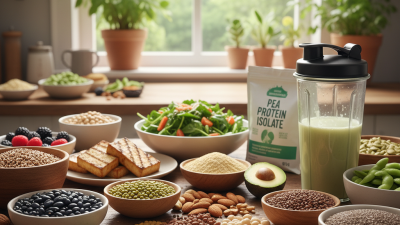
Pea Protein Isolate Protein content commonly ≥80% on a dry basis; neutral color; low off-notes; consistent solubility and dispersibility. Approximately 75–85 g protein and 3–8 g carbohydrate per 100 g dry ingredient; naturally low in fat. Country of cultivation, processing site, lot code, production date, and one-step-back / one-step-forward records. HACCP-based controls; testing for Salmonella, generic E. coli, total plate count, yeast and mold; allergen cross-contact assessment. Certificate of analysis for every lot, validated microbiological methods, allergen statement, and documented change-control procedure.
Soy Protein Concentrate or Isolate Protein typically ≥65% for concentrates and ≥85% for isolates; controlled moisture; stable functionality in emulsions and meat analogues. Approximately 65–90 g protein per 100 g dry ingredient, depending on grade; contains all essential amino acids. Identity-preserved documentation where required; seed or crop origin; processing records; lot-level mass-balance documentation. Soy allergen declaration; controls for Salmonella and other pathogens; pesticide-residue monitoring based on destination-market limits. Allergen-management plan, non-GMO or GMO status documentation where relevant, residue test results, and supplier audit records.
Fava Bean Protein Concentrate Protein commonly 55–75% on a dry basis; low bitterness; controlled color; consistent water-holding and emulsification performance. Approximately 55–75 g protein and 5–20 g carbohydrate per 100 g dry ingredient, depending on concentration and processing. Farm or collection region, harvest year, storage conditions, processing lot, and documented chain-of-custody transfers. Pathogen testing; pesticide-residue controls; verification of allergen cross-contact; monitoring of moisture and water activity. Lot-specific specification, country-of-origin statement, storage validation, and periodic independent laboratory testing.
Oat Base or Oat Flour Consistent particle size; controlled moisture; clean cereal aroma; stable viscosity and low rancidity indicators. Approximately 10–17 g protein, 55–70 g carbohydrate, and 5–10 g fat per 100 g dry ingredient; fiber varies by milling grade. Grain origin, milling location, storage duration, lot number, and records for blending or rework. Gluten cross-contact assessment; testing for mycotoxins such as deoxynivalenol where relevant; pesticide and microbial controls. Gluten-control program, mycotoxin results, moisture specification, rancidity testing, and validated shelf-life data.
Textured Vegetable Protein Uniform shape and size; consistent hydration ratio; controlled texture, color, moisture, and rehydration yield. Commonly 45–70 g protein per 100 g dry product, depending on the source crop and formulation; usually low in fat. Full ingredient composition, source-crop identification, extrusion batch, thermal-process records, and packaging lot code. Validated thermal processing; environmental monitoring; pathogen testing; foreign-material prevention and allergen controls. Process validation report, metal-detection records, environmental-monitoring trend data, and finished-product release criteria.
Plant-Based Oil Defined fatty-acid profile; low peroxide and free-fatty-acid values; controlled flavor, color, and oxidation stability. Approximately 99–100 g fat per 100 g oil; no meaningful protein or carbohydrate; fatty-acid composition depends on oil type. Crop origin, extraction or refining site, batch number, storage temperature, and transport conditions. Controls for oxidation, contaminants, pesticides, and potential allergens; protection from heat, light, and oxygen. Fatty-acid profile, peroxide value, anisidine value where applicable, contaminant testing, and packaging integrity records.
Fermented Plant Ingredient Defined microbial culture; consistent pH, acidity, aroma, viscosity, and fermentation endpoint; absence of undesirable spoilage. Nutrition varies by substrate; fermentation may improve flavor and digestibility but does not automatically make a product nutritionally complete. Culture identity, substrate origin, fermentation batch, time-temperature profile, and post-fermentation handling records. Culture purity testing; pH and water-activity controls; pathogen monitoring; hygienic zoning and cold-chain verification where required. Culture certificate, process validation, microbiological release testing, deviation records, and defined refrigerated shelf life.
Cross-category sourcing gate: Prefer suppliers that maintain a documented HACCP-based food safety system, provide lot-specific certificates of analysis, support rapid trace-back and trace-forward exercises, disclose allergen and cross-contact risks, and demonstrate compliance with the laws of the target market.

Building Resilient and Ethical Plant-Based Supply Chains

How to Source for the Future of Plant Based Food?

Building resilient and ethical plant-based supply chains requires more than finding cheaper ingredients. It requires visibility from seed suppliers to processing facilities. The FAO estimates that livestock supply chains create 14.5% of human-caused greenhouse gas emissions. This strengthens the case for plant-based sourcing, but it does not remove responsibility. Crops can still involve soil depletion, water stress, and unfair labour conditions. Supplier assessments should measure emissions, irrigation, wages, working hours, and land-use changes. One annual audit is not enough.

Resilience also depends on regional diversity. Sourcing protein crops from several climate zones can reduce disruption after droughts, floods, or transport failures. The UNEP Food Waste Index Report 2024 estimated 1.05 billion tonnes of food waste in 2022. Better forecasting and shared storage can prevent ingredients from becoming waste before production. Yet forecasting systems remain imperfect. A sudden demand shift can still leave warehouses full of unused powders. That uncomfortable risk deserves honest planning.

Tips: Build a supplier scorecard with traceability, water use, labour standards, and delivery reliability. Request independent evidence, not only written promises. Maintain qualified secondary suppliers, but avoid switching purely for lower prices. The Global Food Institute’s industry reports repeatedly highlight infrastructure and scale as major barriers for alternative proteins. Invest in local processing where possible. It may cost more initially. However, shorter routes can improve freshness, reduce exposure to shipping disruptions, and make corrective action more practical.

Adopting Technology for Smarter Ingredient Sourcing

How to Source for the Future of Plant Based Food?
Adopting Technology for Smarter Ingredient Sourcing

Plant-based sourcing is becoming a data challenge, not only a purchasing task. The Good Food Institute reported that U.S. plant-based retail sales reached $8.1 billion in 2023. However, sales declined by 2%, revealing pressure on affordability, taste, and supply consistency. Buyers must look beyond attractive samples and short-term prices.

Digital supplier platforms can connect certificates, harvest dates, origin records, and laboratory results in one place. Optical sensors can check moisture, color, and particle size before ingredients enter production. Forecasting tools can also compare weather signals with historical crop yields. These systems help purchasing teams identify shortages earlier and negotiate with better evidence.

Still, technology is not a perfect answer. A forecasting model may repeat biased data or miss a sudden crop disease. Human tasting remains essential. So does visiting farms and processing sites. The 2023 Global Food Safety Initiative position paper emphasizes stronger food safety culture and traceability across supply chains. Practical teams should test digital tools on one ingredient first, then measure waste, lead times, and rejected batches. Small failures are useful. They expose weak supplier data before a large product launch.

How to Source for the Future of Plant-Based Food?

Adopting Technology for Smarter Ingredient Sourcing

Global production volumes show where large-scale sourcing opportunities exist for plant-based ingredients. Digital sourcing systems can combine production data with crop origin, seasonality, sustainability indicators, quality specifications, and logistics information to support more resilient procurement decisions.

Source: FAOSTAT, Crops and livestock products, 2022 data; values are rounded and shown in million tonnes.