Top 10 Must Have Organic Lifestyle Products for Global Buyers
In recent years, the demand for organic lifestyle products has surged among global consumers. This shift reflects a growing awareness of health, sustainability, and ethical consumption. Organic products are not just a trend; they represent a conscious choice for a healthier future.
Among a vast array of available options, ten standout products cater to various needs and preferences. From biodegradable beauty items to eco-friendly home essentials, these items have garnered attention for their quality and impact. Buyers face challenges, though. With so many products on the market, making informed choices becomes vital.
Exploring these top ten organic lifestyle products can help navigate the sea of options. Each product carries unique benefits, highlighting the importance of understanding labels and sourcing. As we embrace a more sustainable way of living, these products can serve as essential tools in our daily routines. The journey toward an organic lifestyle is both exciting and complex, requiring awareness and reflection.
Essential Organic Food Products for a Healthy Lifestyle
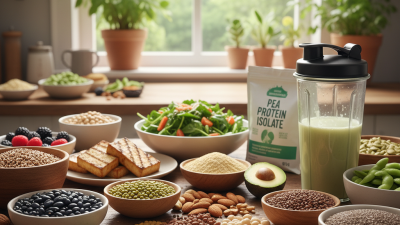
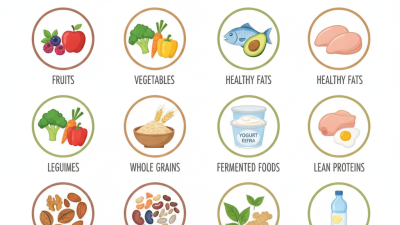
Adopting an organic lifestyle is a powerful way to improve overall health. Many essential organic food products can enhance your well-being. Fresh organic fruits and vegetables are vibrant sources of vitamins. They provide antioxidants that combat free radicals and support immunity. Seasonal, locally sourced produce often tastes better and has a lower environmental impact.
Whole grains, like quinoa and brown rice, are great staples. They offer fiber and essential nutrients, promoting digestive health. Consider organic legumes, such as lentils and chickpeas. They are rich in protein and can be a fantastic meat alternative. Remember to include nuts and seeds in your diet. They bring healthy fats and keep you satiated.
Snacks also deserve attention. Organic snacks can be healthy and indulgent. Look for products that are minimally processed. While convenience is key, understand that some organic products may be more expensive. Reflect on your budget and choose wisely. Prioritize quality over quantity. Adjust your choices based on what works best for your lifestyle. Every small change counts, leading to healthier habits.
Top 10 Must Have Organic Lifestyle Products for Global Buyers
| Product |
Category |
Nutritional Value |
Health Benefits |
Packaging Type |
| Organic Quinoa |
Grains |
8g protein per cup |
High in fiber, gluten-free |
Recyclable bag |
| Organic Almonds |
Nuts |
6g protein per ounce |
Supports heart health |
Glass jar |
| Organic Coconut Oil |
Oils |
MCTs for energy |
Enhances skin health |
Plastic-free container |
| Organic Herbal Tea |
Beverages |
Varies by blend |
Calming and digestion aid |
Biodegradable bags |
| Organic Maple Syrup |
Sweeteners |
52 calories per tablespoon |
Rich in antioxidants |
Glass bottle |
| Organic Chia Seeds |
Seeds |
5g protein per ounce |
High in omega-3s |
Resealable bag |
| Organic Olive Oil |
Oils |
120 calories per tablespoon |
Heart-healthy fats |
Dark glass bottle |
| Organic Brown Rice |
Grains |
5g protein per cup |
Good source of magnesium |
Paper bag |
| Organic Spinach Powder |
Superfoods |
2g protein per tablespoon |
Rich in iron and calcium |
Aluminum pouch |
| Organic Turmeric Powder |
Spices |
24 calories per teaspoon |
Anti-inflammatory properties |
Glass jar |
Sustainable Personal Care Items to Enhance Daily Routine
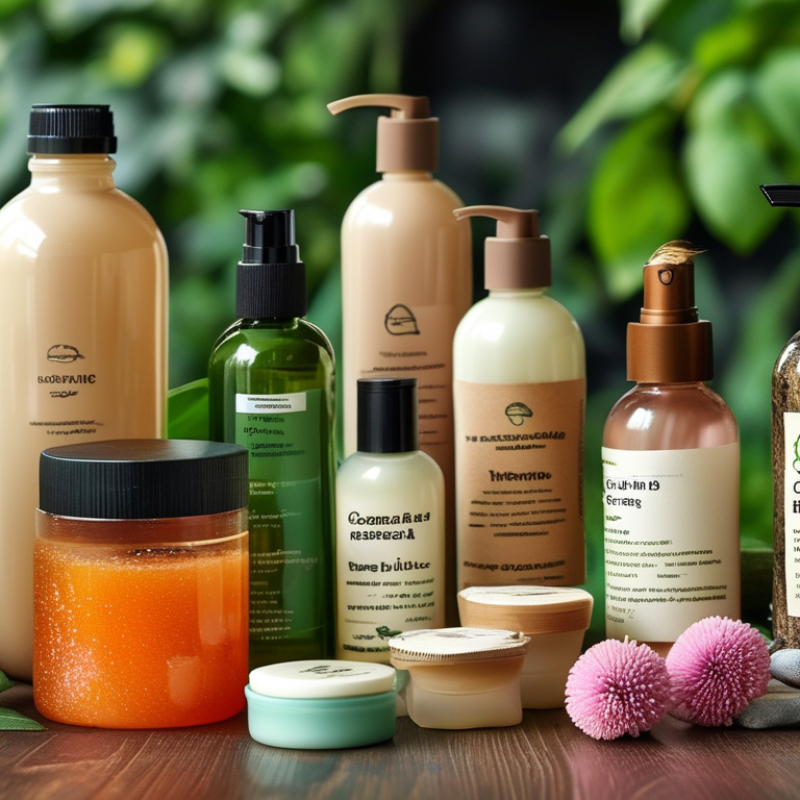
In an era where sustainability is key, integrating organic lifestyle products into your daily routine has become essential. Research indicates that the global organic personal care market is expected to reach $25.1 billion by 2025, reflecting an increasing demand for eco-friendly solutions. Many consumers are now aware of the potential harmful ingredients found in conventional products, favoring natural labels instead. This shift presents an intriguing opportunity for individuals to elevate their personal care routines with cleaner, greener options.
Choosing organic personal care items can yield substantial benefits for both health and the environment. Opt for products that are free from synthetic chemicals and artificial fragrances. Natural ingredients like shea butter and coconut oil are not only nourishing but also biodegradable. However, not all organic products are created equal, and navigating through misleading labels can be challenging.
Educating yourself about certifications can help ensure you are making informed choices. Seek products that are USDA certified or bear a similar recognized emblem. Remember that absorbing organic practices can take time. It’s okay to gradually replace your traditional products with organic versions. Transitioning slowly may give you a well-rounded perspective on effectiveness and sustainability. Embracing this journey leads to a more mindful lifestyle, enhancing not only your routine but also the world around us.
Eco-Friendly Home Cleaning Solutions for Green Living
Creating a sustainable home often begins with eco-friendly cleaning solutions. Many commercial products contain harsh chemicals that can be harmful to both health and the environment. Opting for organic alternatives can lead to a safer space, reducing exposure to toxins while promoting a greener lifestyle.
Vinegar and baking soda are excellent natural cleaning agents. They can tackle tough stains and odors without compromising safety. Mixing them can yield a potent cleaner for countertops and glass surfaces. However, the smell of vinegar may not be pleasant for everyone. It’s important to find a balance that works for your household.
Additionally, essential oils such as tea tree or lavender can enhance the cleaning experience. They provide a pleasant fragrance and possess natural antibacterial properties. Yet, using oils requires mindfulness. Some people may have sensitivities or allergies. Finding the right amount is key to making a product effective while avoiding irritation. This process entails trial and error, reflecting on what works best for your family’s needs.
Top 10 Must Have Organic Lifestyle Products for Global Buyers
Natural Organic Clothing Choices to Promote Environmental Wellness
Choosing natural organic clothing is essential for promoting environmental wellness. Materials like organic cotton, hemp, and bamboo offer sustainable options. These fibers are grown without toxic pesticides or synthetic fertilizers. This approach reduces soil degradation and water pollution.
However, not all organic materials are created equal. Some claims may lack transparency. Researching the sourcing and manufacturing processes is crucial. Look for certifications that ensure ethical production. This adds credibility to your purchases.
Embracing organic clothing can also enhance your well-being. Natural fabrics are often more breathable and comfortable. However, they can sometimes be pricier than conventional options. Balancing your budget with sustainability is a challenge many face. Consider investing in fewer, higher-quality pieces. Ultimately, every choice counts in promoting a healthier planet.
Biodegradable Products for a Sustainable Outdoor Experience
When exploring the great outdoors, choosing biodegradable products enhances your experience while protecting the environment. Items like compostable cutlery and eco-friendly bags can make a significant difference. They break down naturally, reducing waste in our beautiful parks and beaches. Always consider the materials used in outdoor gear. Opting for plant-based fibers can contribute to a more sustainable lifestyle.
Reflect on your personal habits. Even small changes, like carrying a reusable water bottle, can have a huge impact. When buying gear, prioritize items that come with limited packaging. This approach not only decreases landfill waste but also encourages others to follow suit. Choose outdoor products that emphasize eco-friendliness.
Remember to evaluate your choices regularly. Are your favorite camping accessories environmentally friendly? Incorporate a mix of reusable and biodegradable products into your outdoor routine. Combining these choices fosters a deeper connection with nature and inspires meaningful conversations about sustainability.