How to Embrace a Plant Based Lifestyle with Simple Tips?
Embracing a plant based lifestyle is gaining traction worldwide. According to a report by Allied Market Research, the global plant-based food market is projected to reach $74.2 billion by 2027. This growing trend reflects a shift toward healthier eating habits and increased awareness of sustainability. With climate change concerns, individuals are more inclined to choose plant-based options to reduce their carbon footprint.
Transitioning to a plant based lifestyle might seem daunting at first. Many people assume they must completely give up animal products immediately. However, it is a gradual process that allows for flexibility and adaptation. Even minor changes can lead to significant health benefits. Research shows that a diet rich in plant-based foods is associated with a lower risk of chronic diseases. Whole fruits, vegetables, and grains nourish the body while fostering long-term wellness.
Yet, the journey is not without challenges. Some may struggle with cravings or the social implications of dietary changes. It’s essential to reflect on one’s habits and set realistic goals. Exploring flavors and trying new recipes can make the transition enjoyable. Adopting a plant based lifestyle is not just about diet; it's a journey toward holistic well-being.
Understanding the Basics of a Plant-Based Lifestyle
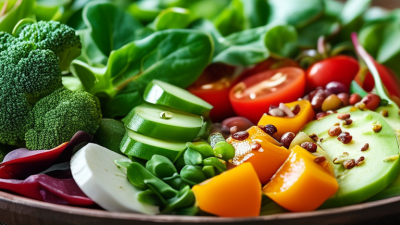
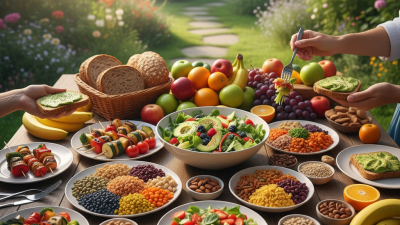
Embracing a plant-based lifestyle begins with understanding its fundamentals. It focuses on consuming whole, unprocessed foods derived from plants. This includes fruits, vegetables, legumes, nuts, and seeds. The beauty of this lifestyle lies in its variety. With endless options, it’s easy to explore new flavors and textures. However, the change can be challenging. Many people feel overwhelmed by the transition.
One common struggle is meal planning. Without prior experience, it's hard to know where to start. Simple recipes can help ease the journey. For instance, a hearty vegetable soup or a colorful salad can make for quick meals. However, it’s important to embrace the learning curve. Mistakes will happen. A recipe may not turn out as expected, and that’s okay. Reflecting on these experiences can lead to growth and better choices in the future.
Finding support is crucial. Connecting with a community can provide encouragement and inspiration. Online forums or local groups can be invaluable. Sharing experiences with others helps reinforce your commitment. The path to a plant-based lifestyle matters. It promotes not only personal health but also contributes positively to the environment.
Identifying Essential Plant-Based Food Groups
Embracing a plant-based lifestyle involves understanding essential food groups. Fruits and vegetables form the cornerstone. A study by the American Heart Association indicates that diets rich in plant foods can lower blood pressure and reduce heart disease risk.
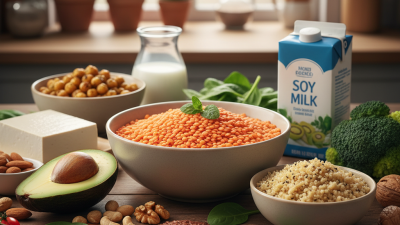
Legumes and beans are also vital. They are excellent protein sources, packed with fiber. According to the Harvard T.H. Chan School of Public Health, they help maintain healthy weight and improve gut health. Incorporating lentils, chickpeas, and black beans into meals boosts nutritional value significantly.
Grains should be whole, such as brown rice, quinoa, and oats. These grains provide essential nutrients and sustain energy levels. Research shows they can lower the risk of type 2 diabetes by up to 30%. Adopting a plant-based diet may pose challenges, like ensuring adequate protein intake or navigating social settings. Reflecting on personal dietary needs is crucial. It’s about balance and making informed choices for long-term health benefits.
Practical Tips for Meal Planning and Preparation
Embracing a plant-based lifestyle can feel overwhelming, especially when it comes to meal planning. However, with some practical strategies, you can make the transition smoother and more enjoyable.
Start by organizing a weekly meal plan. Create a grid with each day of the week and fill in your meals. Choose simple, seasonal vegetables. Aim for variety but focus on what you love. It’s okay to repeat meals you enjoy. Keeping it simple reduces stress and saves time.
When shopping, make a list based on your plan. Stick to the list to avoid impulse buys. Explore local farmers’ markets if possible. You'll find fresh and affordable options. This connection to your food is rewarding. Preparation is key; set aside time each week to chop veggies and cook grains. Having essentials ready makes cooking easier. Even if things don’t go as planned, that’s part of the journey. You’re learning and adapting, which is valuable.
How to Embrace a Plant Based Lifestyle with Simple Tips? - Practical Tips for Meal Planning and Preparation
| Tip |
Description |
Benefits |
| Plan Your Meals |
Create a weekly menu to organize your meals ahead of time. |
Saves time and reduces food waste. |
| Prep Ingredients |
Chop vegetables and prepare grains in advance. |
Makes cooking quicker and more convenient. |
| Explore Recipes |
Find and experiment with new plant-based recipes. |
Keeps meals interesting and diverse. |
| Incorporate Proteins |
Include beans, lentils, and tofu for protein. |
Ensures a balanced diet and keeps you satisfied. |
| Stock Your Pantry |
Keep essential ingredients like grains, nuts, and spices on hand. |
Eases meal prep and encourages spontaneous cooking. |
| Join a Community |
Engage with plant-based groups online or locally. |
Provides support, ideas, and accountability. |
Navigating Social Situations as a Plant-Based Eater
Navigating social situations as a plant-based eater can be challenging. Friends and family may not understand your dietary choices. You might feel awkward when everyone else is enjoying a meat dish. It's important to communicate your lifestyle openly. Share your reasons for choosing plant-based food. This often invites curiosity rather than judgment.
When invited to social gatherings, offer to bring a dish. Preparing a delightful plant-based recipe can showcase your culinary skills. It encourages others to try something new. If you're dining out, research the menu ahead of time. Look for restaurants that offer plant-based options. This shows thoughtfulness and ensures you have something to enjoy.
Sometimes, you may face criticism or uncomfortable questions. Handling these moments with grace can be tough. Reflect on your experiences and learn from them. Acknowledge your feelings, but remain firm in your beliefs. It’s okay to set boundaries about your food choices. This journey takes time and practice. Each interaction is an opportunity for growth.
Overcoming Challenges and Staying Motivated on Your Journey
Transitioning to a plant-based lifestyle can present challenges. One common hurdle is cravings for familiar foods. It’s normal to miss certain flavors or textures. To overcome this, explore plant-based alternatives. Create satisfying dishes using spices and herbs. This can help reproduce those comforting sensations while staying true to your goals.
Staying motivated is crucial. Sometimes, you might feel overwhelmed or doubt your choices. Surround yourself with a supportive community. Joining local groups or online forums can make a big difference. Sharing your struggles and successes fosters connection. Celebrate small victories, like trying a new recipe or discovering a favorite vegetable.
Create a routine that integrates plant-based eating into your life smoothly. Meal prep on weekends can save time during busy weeks. Keep snacks like nuts and fruits handy for on-the-go energy. Remember, each step forward is progress. Reflect on what works for you and adjust as needed. Embrace the journey, even with its ups and downs.