10 Best Whole Food Nutrition Sources for a Healthier Lifestyle?
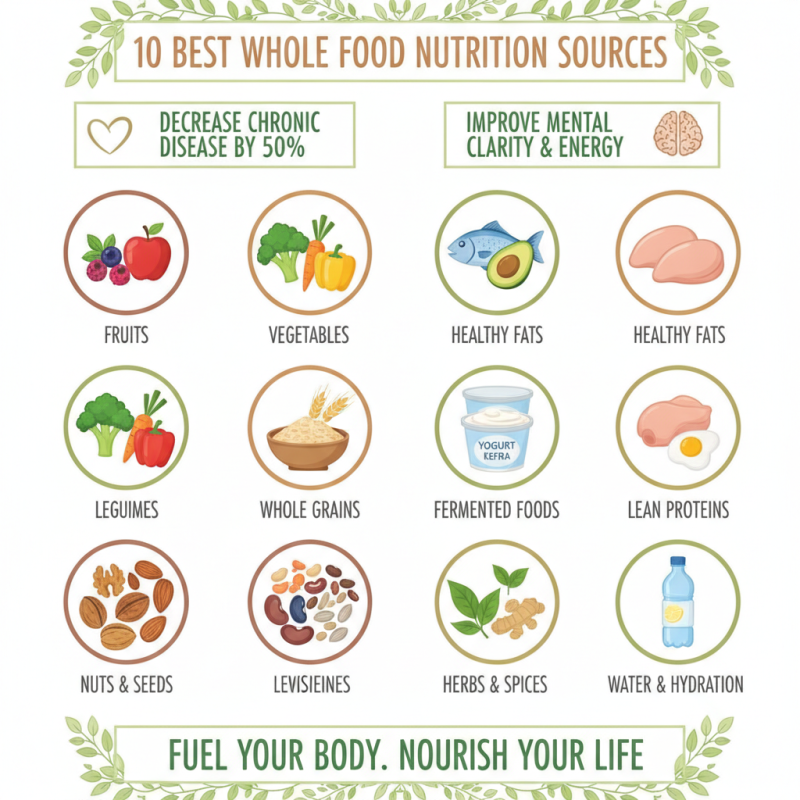
In today's health-conscious society, whole food nutrition has emerged as an essential component of a balanced lifestyle. Research indicates that diets rich in whole foods can decrease the risk of chronic diseases by 50%, enhancing overall well-being. Whole foods are minimally processed and free from artificial additives. They provide essential nutrients, fiber, and antioxidants that support better health.
The growing interest in whole food nutrition reflects a shift towards healthier eating habits. According to a 2022 report from the World Health Organization, a diet high in whole foods can contribute to mental clarity and energy levels. Whole foods include fruits, vegetables, whole grains, legumes, nuts, and seeds. These foods not only nourish the body but also foster a closer connection to nature.
However, not everyone easily incorporates whole foods into their daily routines. Fast food options tempt many, leading to nutritional imbalances. It is important for individuals to reflect on their relationship with food. Understanding which whole food sources best fit personal needs can promote a happier, healthier life. By prioritizing whole food nutrition, we can all benefit from improved health outcomes.
10 Essential Nutrient-Dense Whole Foods for Optimal Health
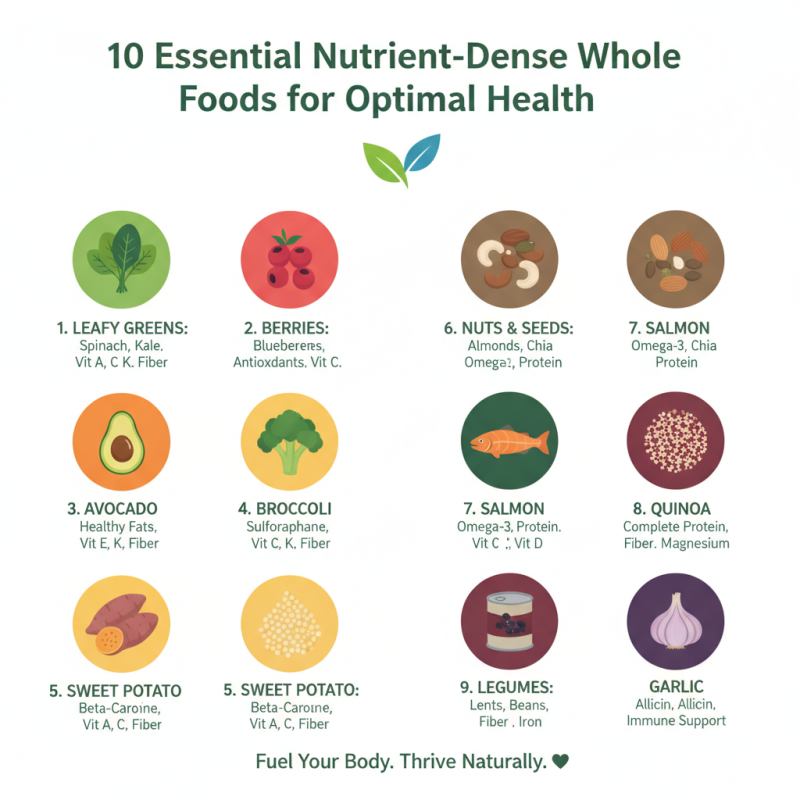
Incorporating nutrient-dense whole foods into your diet can profoundly impact your overall health. Leafy greens, like spinach and kale, are packed with vitamins A, C, and K. They are also rich in fiber, which helps with digestion. A simple salad with these greens can become a vibrant, health-boosting meal.
Another excellent source is the humble sweet potato. It offers beta-carotene and fiber. Baked or mashed, they are versatile and delicious. Nuts and seeds, such as almonds and chia seeds, provide essential fatty acids and protein. Snack on a handful for a quick energy boost without added sugars.
While including these foods can enhance your diet, it is important to listen to your body. Some may find certain foods too fibrous or rich. Experiment with different preparations to discover what feels right. Remember that balance is key; indulging in less nutrient-dense options occasionally is perfectly fine. Embrace the journey of improving your nutrition step by step.
Analysis of Whole Food Benefits: Nutrients vs. Processed Foods
Whole foods offer a variety of essential nutrients that processed foods often lack. Nutrients from whole foods come in their natural forms, providing better absorption and utilization by the body. For example, an apple contains fiber, vitamins, and antioxidants, all working together to promote health. In contrast, processed foods may contain artificial additives and preservatives, which can disrupt our nutritional balance.
Research indicates that consuming whole foods can enhance mental clarity and boost energy levels. Leafy greens, nuts, and legumes not only contribute to physical well-being but also support cognitive functions. However, integrating whole foods into daily meals may require careful planning. It can be challenging to find quality options in some areas. Some may struggle to break old habits, gravitating towards the convenience of processed foods.
Despite these challenges, focusing on whole foods can yield long-term benefits. It's important to recognize that minor slip-ups are part of the journey. Aim for gradual changes rather than an all-or-nothing approach. Building a habit of choosing whole foods over time leads to sustainable health improvements. Emphasizing whole food nutrition encourages a holistic view of wellness, prioritizing both body and mind.
Comparative Review of Whole Grains: Fiber Content and Health Impact
Whole grains are crucial for a healthier lifestyle. They offer a rich source of fiber, which is essential for digestive health. Various whole grains, like quinoa and barley, contain different fiber levels. Higher fiber content often correlates with better satiety and weight management. Nutritionists recommend incorporating these into daily meals for optimal health benefits.
Choosing whole grains can be tricky. Not all grains are created equal. For instance, brown rice has more fiber than white rice. However, some people may find brown rice harder to digest. Reflecting on your body's response is important. Opt for grains that suit your digestion while still providing fiber.
Tips: Start with small portions of whole grains to gauge your body's reaction. Mixing different grains in salads or bowls can enhance texture and nutrition. Always read labels, as some processed grains may lack the fiber-rich benefits of whole grains.
Top Plant-Based Proteins: Health Benefits and Nutritional Value
Plant-based proteins are becoming popular due to their health benefits and environmental impact. They provide essential amino acids, which are critical for muscle growth, repair, and overall health. A study published in the "Journal of Nutrition" indicates that plant proteins can contribute to lower cholesterol levels and reduced heart disease risk. Beans, lentils, quinoa, and nuts are excellent sources of these proteins.
Including a variety of plant-based proteins in your diet can improve your nutritional intake. For instance, a cup of cooked lentils contains about 18 grams of protein and is rich in fiber, promoting digestive health. Consuming whole foods rather than highly processed options maintains nutrient density, enabling better metabolic functions. However, not all plant proteins provide complete amino acids. Combining sources, like rice and beans, ensures you receive a balanced amino acid profile.
Tip: Aim to include diverse protein sources in your meals. Whole grains, leafy greens, and legumes should all be part of your plate. This variety not only enhances taste but also optimizes nutrition. Remember to assess your individual dietary needs. Engage with a nutritionist if you feel uncertain about meal planning or protein intake. It's crucial to reflect on your choices and adjust for your health goals.
10 Best Whole Food Nutrition Sources for a Healthier Lifestyle - Top Plant-Based Proteins: Health Benefits and Nutritional Value
| Food Source |
Protein (g per 100g) |
Fiber (g per 100g) |
Health Benefits |
| Lentils |
9 |
8 |
Rich in protein, iron, and folate; supports heart health. |
| Chickpeas |
8.9 |
7.6 |
High in fiber; aids in digestion and blood sugar control. |
| Quinoa |
4.1 |
2.8 |
Complete protein; contains all nine essential amino acids. |
| Tofu |
8 |
0.3 |
Rich in calcium and iron; supports bone health. |
| Edamame |
11 |
5.2 |
High in protein and healthy fats; supports muscle growth. |
| Hemp Seeds |
31.6 |
4 |
Rich in omega-3 fatty acids; promotes heart health. |
| Chia Seeds |
16.5 |
34 |
High in antioxidants and omega-3s; beneficial for digestion. |
| Peas |
5 |
5 |
Good source of vitamins A, C, and K; supports immune function. |
| Pumpkin Seeds |
19 |
18 |
Rich in magnesium and zinc; promotes heart and bone health. |
Omega-3 Sources in Whole Foods: Impact on Heart Health and Inflammation
Omega-3 fatty acids are vital for overall health, particularly for heart wellness. These essential fats can reduce inflammation, a key contributor to various cardiovascular diseases. According to a 2022 study published in the Journal of the American College of Cardiology, individuals with higher omega-3 intake saw a 30% lower risk of heart-related events. Whole food sources are rich in these beneficial nutrients.
Fatty fish, such as salmon and mackerel, are excellent omega-3 sources. They contain EPA and DHA, forms of omega-3 that directly impact heart health. Alternatively, plant-based options like flaxseeds and walnuts offer ALA, another variant of omega-3. While beneficial, the body must convert ALA to EPA and DHA, which isn’t always efficient. Understanding these differences can help consumers make informed dietary choices.
Still, relying on supplements alone is not the solution. A balanced diet rich in whole foods delivers comprehensive nutrition beyond omega-3s. While convenience drives many to choose processed options, these often lack the essential fatty acids needed for optimal health. Choosing whole foods requires effort and knowledge, but it’s crucial for fostering long-term well-being.