2026 How to Choose Natural Food Products for a Healthier Lifestyle?
In today’s world, the quest for healthier lifestyles is paramount. Embracing natural food products plays a vital role in this journey. According to nutrition expert Dr. Jane Miller, "Choosing natural food products can significantly enhance overall health." Her insight highlights the importance of understanding what we consume.
Natural food products are often less processed and free from artificial additives. This makes them a better choice for those seeking genuine health benefits. However, the market is flooded with labels that can confuse consumers. It requires knowledge and careful selection to truly make the healthiest choices. The promise of wellness through natural food products is enticing, yet it demands responsibility from us as consumers.
Being informed about ingredients and sourcing is key. Not all labeled products are pure or healthy. Keep in mind that not every so-called "natural" option meets health expectations. Reflecting on these challenges is crucial to navigating the natural food landscape effectively. In doing so, we strengthen our commitment to making better food choices.
Understanding Natural Food Products: Definitions and Categories
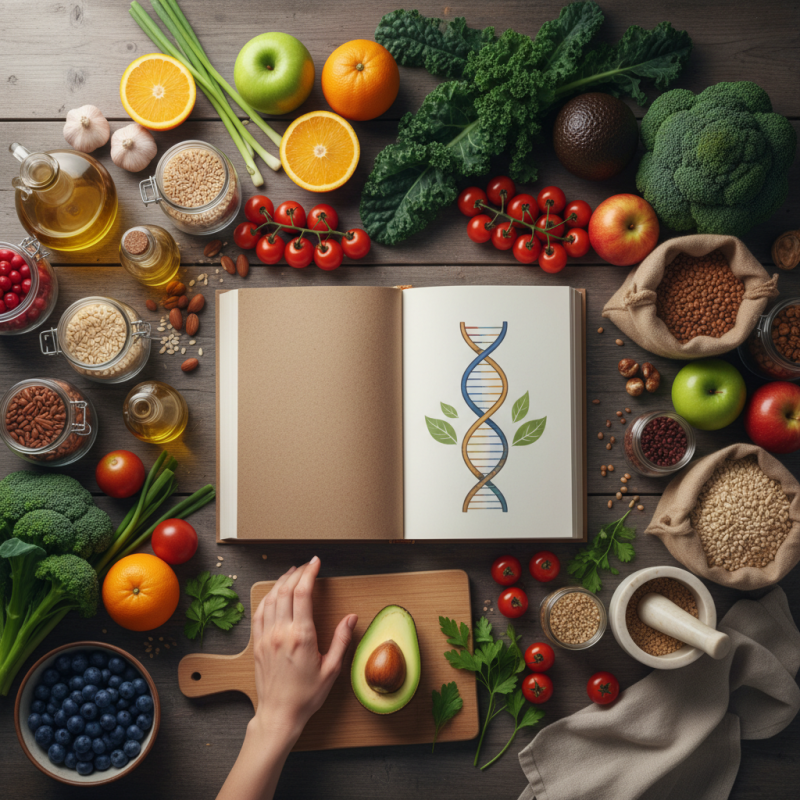
Understanding natural food products is essential for making healthier lifestyle choices. Natural foods can be broadly categorized into three main groups: whole foods, organic foods, and minimally processed foods. Whole foods include fruits, vegetables, grains, nuts, and seeds. These foods are often unrefined and retain their natural nutrients. Organic foods are grown without synthetic pesticides or fertilizers. They promise cleaner choices that are better for both health and the planet.
Minimally processed foods, on the other hand, undergo some alteration but still maintain significant nutritional value. Examples include frozen vegetables, dried fruits, and whole grain pasta. It's important to read labels closely. Not all terms like "natural" or "fresh" guarantee the absence of additives. They can sometimes mislead consumers. This reflects the ambiguity in food labeling.
When considering natural food products, think about seasonal and local options. They often offer superior taste and freshness. However, these choices aren't always convenient or accessible. People must weigh priorities based on availability, cost, and time. The journey to a healthier lifestyle through natural foods includes these challenges. Being informed is crucial.
Identifying Nutritional Labels: What to Look For in Natural Foods
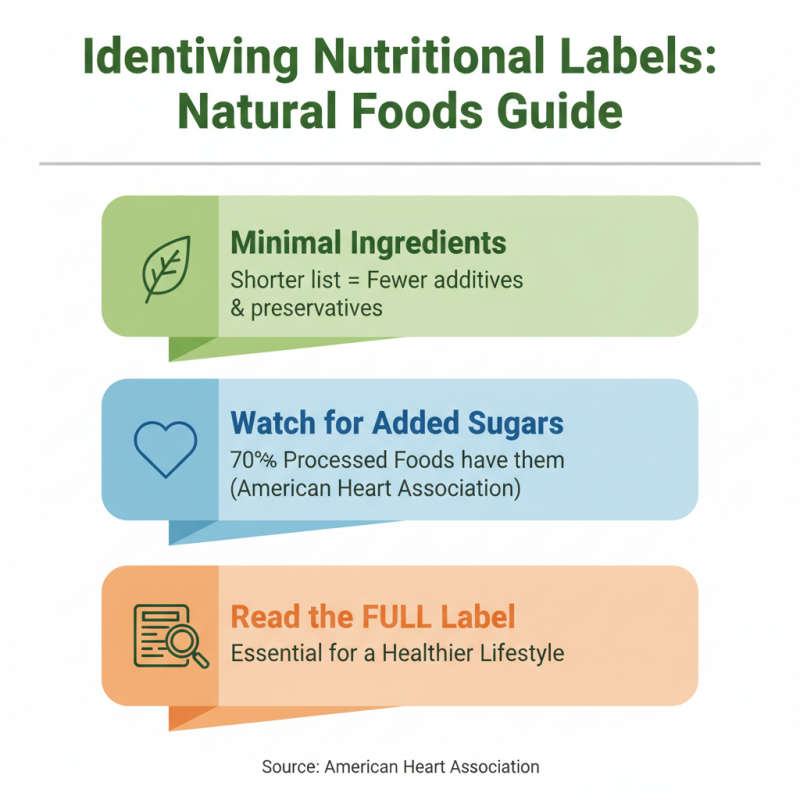
When choosing natural food products, understanding nutritional labels is crucial. Look for products with minimal ingredients. A shorter list often indicates fewer additives and preservatives. According to the American Heart Association, over 70% of processed foods contain added sugars. This makes reading labels essential for a healthier lifestyle.
Focus on the first few ingredients. They comprise the largest portion of the product. If sugar, fats, or artificial colors are listed at the top, reconsider your choice. The USDA recommends looking for whole grains rather than refined grains. Whole grains provide more fiber, which supports digestive health.
Pay attention to serving sizes. Often, packages mislead you with their serving suggestions. A product may seem healthy until you realize the serving size is tiny. The FDA states that many people underestimate portion sizes. Remember, moderation is key, but awareness of what you're consuming is even more critical. Balancing indulgence with informed choices yields the best results.
Evaluating Ingredients: Recognizing Additives and Preservatives
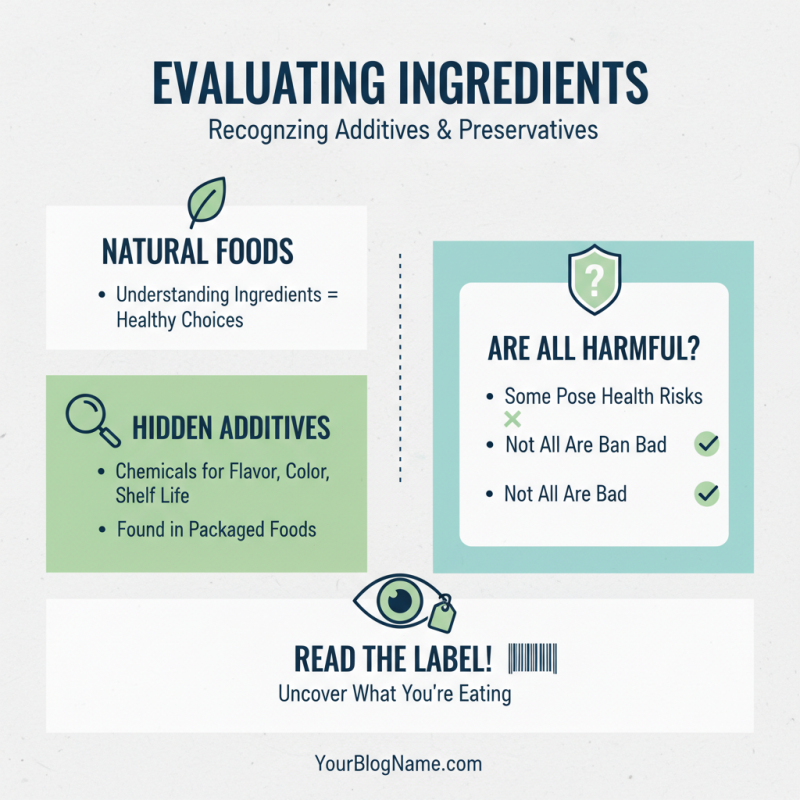
When choosing natural food products, understanding ingredients is crucial. Recognizing additives and preservatives can guide healthy choices. Many packaged foods contain hidden additives. These are chemicals added to enhance flavor, color, or shelf life. Not all additives are harmful, but some may pose health risks. Reading labels can uncover these ingredients.
Look for simple, recognizable names. If an ingredient looks like a chemical, it probably is. Common preservatives include sodium nitrate and sulfites. These can trigger sensitivities in some people. A diet rich in whole foods avoids unnecessary chemicals. Fresh fruits, vegetables, and grains are often free from additives.
Reflections on food choices lead to better health. Are you aware of what you consume? Small changes can lead to significant improvements. Prioritizing whole foods fosters a more vibrant lifestyle. Being mindful of ingredient lists helps in making informed decisions. Embracing natural foods can transform your eating habits.
Choosing Local and Seasonal: The Benefits of Fresh Foods
Choosing local and seasonal foods is essential for a healthier lifestyle. Numerous studies highlight the nutritional benefits of fresh produce. For example, a report by the USDA indicates that fruits and vegetables lose nutrients over time. The longer they sit in storage, the less nutritious they become. Local foods are often harvested at their peak ripeness, ensuring you receive maximum nutrients.
Buying local supports community farmers. This practice reduces carbon emissions associated with transportation. A study by the University of California found that food travels, on average, over 1,500 miles before reaching consumers. By choosing local options, you decrease the environmental impact while enjoying fresher foods. Seasonal foods also tend to be more affordable. They are abundant, leading to lower prices at local markets.
However, seeking out local and seasonal foods can be challenging. Not all areas have farmers' markets accessible. Additionally, some might find the variety lacking during certain seasons. It requires effort and planning to incorporate seasonal eating into your life. But the benefits, from flavor to nutrition, are worth considering. Embracing this practice not only enhances personal health but also nurtures local economies.
Sustainable Sourcing: Ethical Considerations in Food Choice
When choosing natural food products, ethical sourcing plays a pivotal role. This approach ensures that food is produced in a way that respects both the environment and the communities involved. Sourcing food sustainably can reduce pollution and help preserve biodiversity. Consumers must look for products that prioritize these principles.
Many consider organic certifications as a good indicator of sustainable practices. However, not all organic products are created equal. Some may still contribute to environmental harm through excessive transportation or packaging. It’s essential to evaluate local sources as a primary option. Local growers often implement farming practices that enrich the soil and offer fresher produce.
Additionally, transparency in food sourcing is crucial. Some brands may claim to be sustainable without clear evidence. This can be frustrating for well-intentioned consumers. Asking questions or researching the brands can provide more clarity. Remember, choosing wisely means staying informed and reflective about your food choices.
2026 How to Choose Natural Food Products for a Healthier Lifestyle? - Sustainable Sourcing: Ethical Considerations in Food Choice
| Food Category |
Sourcing Method |
Ethical Considerations |
Environmental Impact |
Nutritional Benefits |
| Fruits |
Organic Farming |
Fair Labor Practices |
Low Carbon Footprint |
High in Vitamins |
| Vegetables |
Locally Grown |
Support Local Farmers |
Reduced Transportation Emissions |
Rich in Antioxidants |
| Grains |
Whole Grain Products |
No Genetic Modification |
Sustainable Farming Techniques |
High Fiber Content |
| Dairy |
Grass-Fed Cattle |
Animal Welfare Standards |
Biodiversity Conservation |
Rich in Calcium |
| Meat |
Pasture-Raised |
Humane Treatment |
Lower Emissions Compared to Feedlots |
Protein-Rich |