How to Make Healthy Food Choices in 2026 for Global Buyers?
In 2026, the global food landscape is shifting. Research shows that 64% of consumers prioritize healthy food choices. They are increasingly aware of nutrition's impact on well-being. Yet, many find it challenging to navigate the options available.
The Food and Agriculture Organization reports that processed foods make up a significant portion of diets worldwide. This trend complicates the pursuit of healthier options. Shopping habits are evolving, with 72% of buyers seeking transparency. They want to know the origins and ingredients of their food. This rising demand emphasizes the need for clear labeling and reliable information.
However, the abundance of choices can lead to confusion. Many consumers struggle to differentiate between genuine healthy options and marketing gimmicks. The key lies in education and awareness. To truly improve health, buyers must engage critically with their food choices. Understanding the value of nutrient-dense foods is essential. As the marketplace evolves, maintaining a focus on healthy food choices will be crucial for personal health and community well-being.
Understanding Nutritional Guidelines and Labels for Healthy Eating
Understanding nutritional guidelines and labels is critical for making healthy food choices in 2026. With a plethora of options available, consumers face the challenge of deciphering complex labels. Look for the key elements: serving size, calories, and nutrient breakdown. These components guide you in making informed decisions. Pay attention to fats, sugars, and sodium amounts. They can significantly impact your health. Familiarize yourself with the Daily Value percentages, which indicate how a particular food contributes to your daily diet.
Nutrition labels can be misleading. Some products claim "natural" or "low-fat," but this doesn’t always mean healthy. It’s essential to read beyond the front label. Check the ingredient list for hidden ingredients. For example, a snack may appear healthy but contain processed sugars and additives. Don’t assume that wholesome-sounding ingredients are always beneficial.
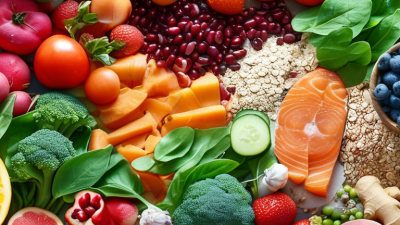
As you navigate food choices, reflect on your preferences and habits. Are you drawn to colorfully packaged items? They often catch your eye but may not provide true nutrition. Consider whole foods as a primary choice. Fresh fruits, vegetables, and grains are typically more beneficial. Recognizing your own biases in food selection can lead to healthier habits. Embrace the learning process about nutrition and labels; it’s a continuous journey towards healthier eating.
Identifying Sustainable Food Sources and Ethical Production Practices
Making healthy food choices in 2026 requires understanding sustainable food sources. Many consumers want food that is not only nutritious but also ethical. This means choosing products from farms that prioritize eco-friendly practices. Sustainable farming reduces environmental impacts. It often uses organic methods and avoids harmful chemicals.
Local markets can be great resources. They often support small producers who practice ethical farming. Knowing the origin of food is crucial. Read labels carefully and ask questions. A commitment to sustainable practices can lead to better choices. However, it’s not always easy to determine the sustainability of a product. Many claims can be misleading.
Education plays a critical role. Consumers must learn about food production processes. This knowledge helps identify genuinely sustainable options. Reflecting on purchasing decisions can make a difference. Are you cycling through the same products? Exploring diverse foods can broaden your perspective. It is important to remain open to new practices and ideas. This journey toward healthier eating is ongoing and requires effort.
Healthy Food Choices in 2026: Sustainable Sources and Ethical Practices
Incorporating Seasonal and Local Ingredients into Your Diet
Incorporating seasonal and local ingredients into your diet can significantly enhance your health. By choosing foods grown close to home, you benefit from increased freshness and nutrition. According to a 2023 report by the Food and Agriculture Organization, local produce has 30% higher nutrient levels compared to imported options. Eating in-season also supports local economies and reduces carbon footprints.
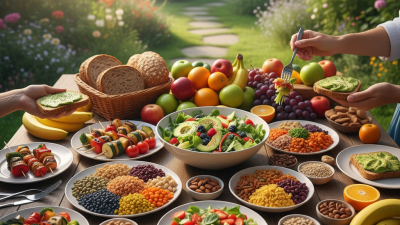
When grocery shopping, seek out farmers' markets or community-supported agriculture programs. These platforms often offer a variety of fresh options. Research indicates that adults who consume seasonal foods are more likely to eat a balanced diet. Focus on fruits and vegetables that are currently in season. For example, in summer, opt for tomatoes and berries; in winter, look for root vegetables and citrus.
Sometimes, it can be challenging to find local options. You might not always have access to fresh produce year-round. However, planning meals around seasonal ingredients can help mitigate this issue. Experiment with diverse recipes that use available ingredients. Keep an open mind, and be willing to try new flavors. This could transform your meals and boost your health.
Utilizing Technology to Track and Improve Dietary Choices
In 2026, making healthy food choices will heavily rely on technology. Mobile apps are essential tools for monitoring dietary habits. Many users find it helpful to log daily meals and track nutritional intake. However, users sometimes overlook the importance of setting realistic goals. Aiming too high can lead to frustration, making it crucial to adjust expectations based on personal lifestyle.
Wearable devices can offer real-time feedback on dietary choices. They can analyze biometric data and recommend healthier options tailored to individual needs. While this can be transformative, many users may struggle with integrating recommendations into their daily routines. Technology should be seen as a guide, not an authority. Reflecting on personal values and food preferences can help in making better decisions.
Moreover, artificial intelligence is evolving rapidly. It can predict cravings and suggest alternatives. But it’s essential to remember that technology is only one piece of the puzzle. Self-discipline and awareness are key factors. Engaging with community forums online can provide peer support, but it can lead to comparison and self-doubt. Balancing tech-use with mindfulness will foster a healthier relationship with food.
Engaging in Community Resources for Healthy Food Access and Support
In 2026, global buyers can tap into community resources to make healthier food choices. Local food banks and community gardens provide accessible options for those in need. According to the Food and Agriculture Organization, nearly 811 million people worldwide faced hunger in 2021. This highlights the importance of leveraging community-based initiatives.
Engaging with local programs can boost food security. A recent report by the Global Food Policy Report indicates that communities focusing on urban agriculture can improve access to fresh produce by 30%. Community-supported agriculture (CSA) programs also promote sustainable practices, directly connecting consumers with local farmers. These models can reduce reliance on processed foods, which often lack nutritional value.
However, barriers remain. Not every community has equal access to these resources. Geographic and economic disparities can affect participation. Individuals often face challenges in accessing information about available programs. Awareness must grow to ensure that everyone can benefit from these initiatives. Addressing these issues requires collective effort and a willingness to support vulnerable communities.
How to Make Healthy Food Choices in 2026 for Global Buyers?
| Resource Type |
Available Options |
Accessibility |
Community Support |
Impact on Health |
| Farmers Markets |
Local produce, organic options |
High - often weekly |
Community events, food education |
Promotes fresh eating, supports local economy |
| Community Gardens |
Vegetables, herbs, fruits |
Moderate - require membership or volunteering |
Workshops, shared knowledge |
Enhances diet variety, increases physical activity |
| Nutrition Education Programs |
Cooking classes, dietary workshops |
High - often free or low-cost |
Support from local health departments |
Improves meal planning and food literacy |
| Food Pantries |
Canned goods, non-perishables, fresh items |
High - open multiple days a week |
Volunteer opportunities, dietary guidance |
Helps food insecure communities, improves access |
| Mobile Food Markets |
Fresh produce, meats, dairy |
Moderate - scheduled routes |
Updates through local community boards |
Increases food access in underserved areas |