2026 Top Plant Based Lifestyle Trends for Global Buyers?
As the world shifts towards sustainable living, the "plant based lifestyle" is gaining momentum. Consumers are increasingly aware of the environmental impact of their food choices. Renowned plant-based dietitian, Dr. Jane Goodwin, emphasizes the importance of this trend by stating, "Eating plants is not just a choice; it's a responsibility towards our planet."
In 2026, buyers are expected to seek innovative products that align with this lifestyle. This means an increased demand for plant-based alternatives and sustainable practices. Market research indicates a surge in plant-based innovations. However, not all products meet consumer expectations. Brands must focus on authenticity and transparency to build trust.
A plant-based lifestyle offers a holistic approach to health and well-being. Yet, challenges remain. Many consumers struggle with transitioning from meat to plant-based options. Creating educational content is crucial to guide them. As we explore the top trends for global buyers, a clear understanding of the challenges and opportunities within the plant-based sector becomes essential for brands aiming to thrive in this evolving market.
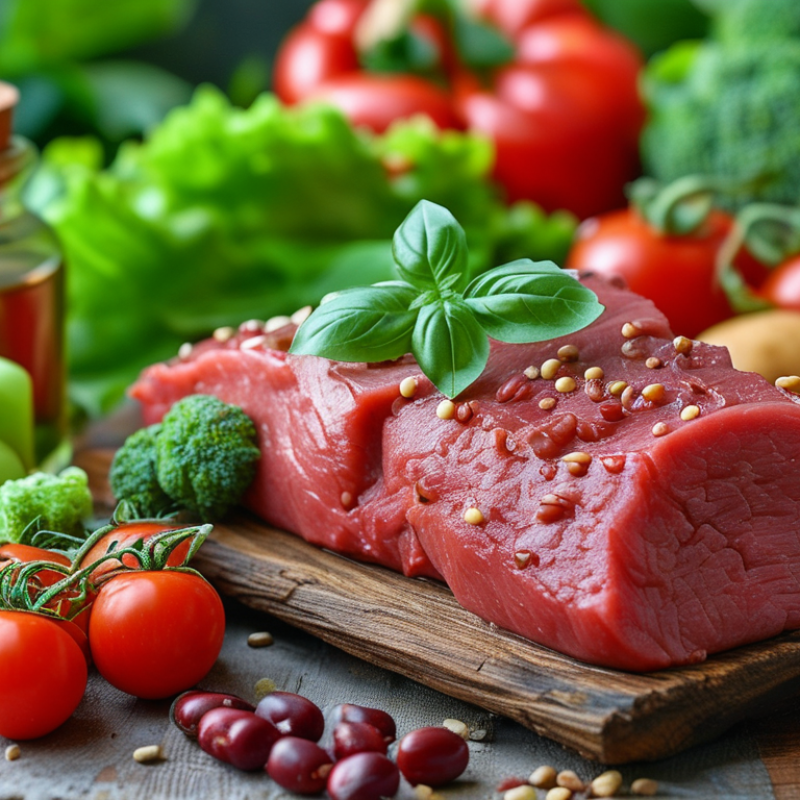
Emerging Global Trends in Plant-Based Diets for 2026
The year 2026 is set to be significant for plant-based diets. People are increasingly aware of their health and environmental impact. This shift leads to new trends that reshape the market. For instance, local sourcing is gaining popularity. Buyers prefer fresh, seasonal produce over imported goods. This means shorter supply chains and better flavor.
Fermentation is another trend on the rise. Products like fermented vegetables and plant-based yogurts will attract attention. These foods offer unique tastes and health benefits. They also support gut health, which plays a vital role in overall wellness. However, many consumers may still feel hesitant about trying unfamiliar flavors.
Plant-based snacks are evolving too. Convenience is king for busy lifestyles. Quick, nutritious options are essential for many global buyers. Yet, the challenge remains in ensuring these snacks are not overly processed. It will be crucial for the industry to find a balance between convenience and health. As buyers demand more transparency, brands must stay accountable.
2026 Top Plant Based Lifestyle Trends for Global Buyers
| Trend |
Description |
Expected Impact |
Target Demographic |
| Plant-Based Proteins |
Increased consumption of plant-based protein sources like lentils, peas, and quinoa. |
Higher market sales in the health food sector. |
Health-conscious consumers and athletes. |
| Meat Alternatives |
Innovations in meat substitutes made from fungi, algae, and other sources. |
Reduction in traditional meat consumption. |
Flexitarians and environmentally conscious consumers. |
| Sustainable Packaging |
Adoption of biodegradable and recyclable packaging for plant-based products. |
Enhanced brand loyalty and consumer trust. |
Eco-conscious buyers. |
| Nutrition Transparency |
Demand for clear labeling regarding nutritional content and ingredient sourcing. |
Increased awareness and educated purchasing decisions among consumers. |
Millennials and Gen Z shoppers. |
| Functional Foods |
Growth in plant-based foods with added health benefits, such as probiotics or vitamins. |
Improvement in overall health and wellness trends. |
Health-focused individuals and families. |
Key Consumer Preferences Driving Plant-Based Product Innovation
The plant-based market continues to gain traction as consumer preferences evolve. A report by the Plant-Based Foods Association indicates that sales of plant-based foods grew by 27% in 2021, reaching a total of $7 billion. This surge reflects a shift towards healthier lifestyles, with many consumers seeking meat alternatives for their nutritional benefits. The desire for sustainable and ethical options drives this change, as more people are concerned about environmental impacts.
Innovative flavors and textures are crucial to attracting new buyers. According to a recent survey, 63% of consumers claimed they seek plant-based products that closely mimic meat. This indicates that businesses must focus on enhancing sensory experiences in their offerings. However, there are challenges. Many consumers still perceive plant-based foods as being less satisfying, which can hinder adoption rates. Brands need to address this gap by investing in research and development.
Moreover, the aging population presents a unique opportunity. With older adults looking for nutritious diets, plant-based products can cater to their health needs. In fact, 54% of seniors have expressed interest in incorporating more plant-based foods into their diets. Yet, there is still work to be done. Education about the benefits and preparation of plant-based meals may be essential to fully engage this demographic. Bridging the gap in understanding could lead to significant growth in this sector.
Sustainable Sourcing and Transparency in Plant-Based Supply Chains
Sustainable sourcing is essential in the plant-based sector. Recent studies reveal that 69% of consumers prefer brands with transparent supply chains. Transparency fosters trust and loyalty. Brands must track their ingredients from farm to table, ensuring ethical practices.
Plant-based supply chains often face challenges. Quality control can suffer when sourcing globally. Approximately 25% of plant-based products lack proper labeling. This confusion can alienate consumers seeking sustainable options. Brands should focus on improving traceability, ensuring they provide accurate information to buyers.
The push for transparency aligns with growing ecological awareness. A report indicates that 56% of shoppers want to know where their food comes from. As the demand for plant-based products rises, companies must refine their sourcing strategies. The journey toward sustainability is ongoing, and industry experts stress the need for continued education on these practices.
Health and Nutritional Benefits of Plant-Based Lifestyles
Plant-based lifestyles have gained significant traction in recent years. They offer numerous health benefits that appeal to a wide audience. A diet rich in fruits, vegetables, grains, and legumes can reduce the risk of chronic diseases. For instance, studies link plant-based diets to lower rates of heart disease and diabetes. Furthermore, these diets often encourage weight loss due to their high fiber content and lower calorie density.
Nutritionally, plant-based foods are packed with vitamins and minerals. Leafy greens, for example, are excellent sources of vitamins A and K. They also contain antioxidants that combat oxidative stress in the body. However, transitioning to this lifestyle can be challenging. Some individuals struggle with meeting protein needs, especially if they rely solely on plant sources. It's vital to find a balance and perhaps combine different food groups to ensure adequate nutrient intake.
While the idea of embracing a plant-based lifestyle is attractive, it requires careful planning. Each person's dietary needs and preferences vary. Those new to this lifestyle might feel overwhelmed by the choices. This is where it’s essential to educate oneself about diverse plant-based options. The journey towards better health through plant-based eating can be rewarding, but it’s important to approach it with realistic expectations and an open mind.
Influence of Social Media on Plant-Based Eating Habits
Social media has transformed how we view plant-based eating. Platforms like Instagram and TikTok showcase vibrant meals that draw attention. Influencers share their experiences, making plant-based diets appealing. Their personal journeys resonate, encouraging followers to explore these options. Visual storytelling is a powerful motivator in this space. Users see colorful dishes and creative recipes that spark inspiration.
Yet, not all influences are positive. The pressure to conform can lead to unhealthy eating habits. Some may resort to processed meat alternatives, thinking they are healthier. It's essential to balance convenience with nutrition. When scrolling through your feed, take a moment to assess what you see. Are these foods nourishing, or just visually appealing?
Consider trying a new vegetable or recipe once a week. Engage with content that promotes whole foods and mindfulness. Join online communities where people share their challenges and successes. Finding a supportive environment can strengthen your commitment. Remember, the journey to a plant-based lifestyle is personal and should feel rewarding, not stressful.