

Careers

Top Healthy Food Choices from China for Buyers?

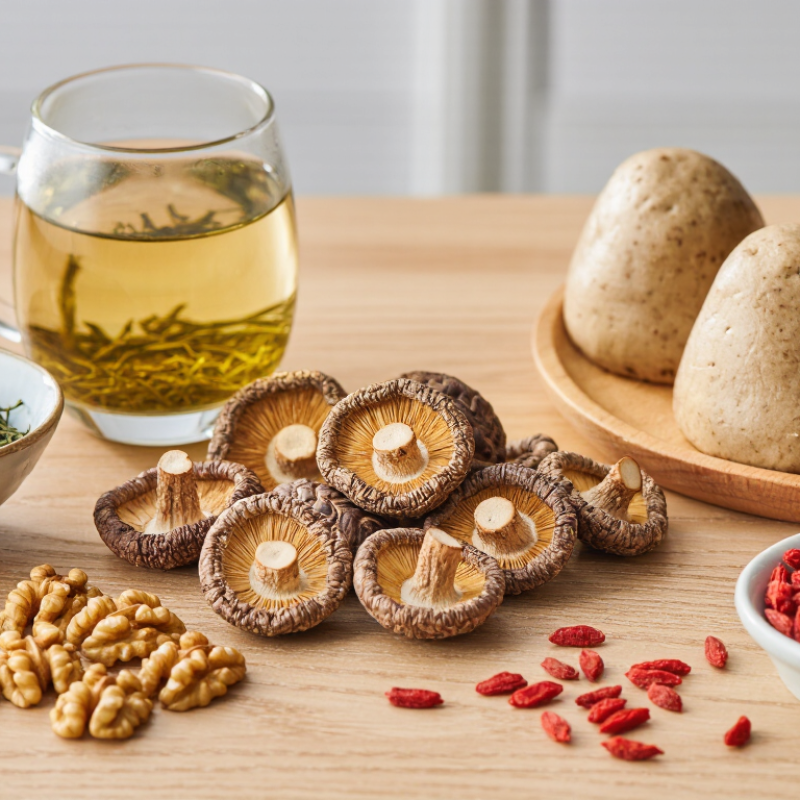
Choosing healthy food choices from China means looking beyond familiar names and attractive packaging. The country’s varied climates support products such as green tea, dried shiitake mushrooms, walnuts, goji berries, and whole-grain foods. Each offers a different role in a balanced diet. None is a shortcut to good health. Details matter.

For buyers, the important questions are practical: Where was the product grown? How was it processed, tested, and stored? A fragrant tea may lose quality if exposed to heat or moisture. Dried mushrooms should feel clean and show no signs of dampness. Ingredient lists, harvest dates, batch records, and clear storage instructions can help buyers assess a supplier’s reliability. Ask for relevant test reports, and confirm that they match the product and batch being purchased. Claims such as “organic” or “high in antioxidants” should be supported by suitable documentation, not just persuasive wording.

This guide introduces promising Chinese food categories and explains what buyers can examine before placing an order. It considers taste, nutrition, sourcing, consistency, and everyday use, while recognizing that quality can vary between producers. That part is easy to overlook. A product’s origin alone does not prove its safety or value. Buyers should compare samples, review available evidence, and consider how the food fits their customers’ needs. Some details may remain uncertain, and that deserves honest attention.
Top Healthy Food Choices from China for Buyers?

What Makes Chinese Foods Healthy Choices for Buyers?

What makes Chinese foods healthy choices for buyers is often the ingredient, not the label. Many traditional foods use soybeans, whole grains, vegetables, mushrooms, and fermented ingredients. Tofu provides plant protein and takes on flavors from ginger, garlic, or scallions. Brown rice, millet, and buckwheat can add fiber and a pleasantly nutty texture. A bowl of dried shiitake mushrooms feels substantial, even in modest portions. Small details matter.

For buyers, healthier choices also depend on how food is grown, processed, and prepared. Compare ingredient lists, sodium levels, added sugars, and serving sizes, especially in sauces, pickles, and instant meals. Frozen vegetables can retain useful nutrients, while lightly processed beans may offer convenience without elaborate additives.

Still, traditional does not automatically mean nutritious; deep-fried snacks and heavily salted products can be everyday temptations. I would check sourcing and quality records where available, but paperwork alone cannot tell the whole story. Taste and balance matter.

Pair vegetables or tofu with grains, and use salty condiments sparingly. Chinese cuisine is diverse, so no single product represents it; some choices are better than others, and that deserves an honest look.

Key Nutrient-Rich Foods and Ingredients from China

China’s food regions offer buyers more than familiar tea and rice. Soybeans provide plant protein, while millet contributes carbohydrates, fiber, and minerals such as magnesium. Buckwheat is naturally gluten-free, though shared processing equipment can introduce gluten. Check handling details.

Dried goji berries bring a tart-sweet flavor and carotenoids, but their nutrient levels vary with harvest and drying. Black sesame seeds add unsaturated fats, protein, and minerals to sauces or baked foods.

Dried shiitake mushrooms offer savory depth and contain fiber; they are ingredients, not a shortcut to better health. Small details matter. A bright color alone does not prove freshness or quality.

For purchasing, ask for the crop origin, harvest or processing date, and a clear ingredient list. Review test records for contaminants when available, especially for dried products and powders. Sample lots before committing to large volumes; aroma, moisture, and texture can reveal practical issues that a specification sheet misses. I would still avoid treating one test or supplier statement as complete assurance. Storage conditions and batch variation matter, and buyers should verify them over time.

How Traditional Chinese Foods Fit Different Diets

Traditional Chinese foods can suit different diets, but ingredients and preparation matter. Plain rice is naturally gluten-free and pairs easily with vegetables, eggs, or tofu. A small bowl of steamed rice also gives buyers a simple base for building meals. Check flavored rice products, though; seasonings may add salt or other ingredients.

For plant-based eating, tofu, edamame, mushrooms, and fermented bean curd offer varied textures and savory flavor. Tofu absorbs a ginger-and-scallion dressing well, while mushrooms bring a hearty bite to soups. Some fermented foods contain considerable sodium. A quick label check helps, especially when salt intake is a concern. Not every traditional dish fits neatly into a diet chart.

People avoiding wheat may consider plain rice noodles or buckwheat products, but the name alone is not a guarantee. Some noodles combine buckwheat with wheat flour, and shared equipment may matter. Buyers should read ingredient and allergen statements carefully. For lighter meals, choose steamed vegetables and broth-based dishes, then add sauces gradually. A little goes a long way. Traditional cooking varies widely by region and household, so nutrition can shift with the recipe; even a wholesome ingredient can become less suitable when heavily salted, sweetened, or fried.

Top Healthy Food Choices from China for Buyers

Protein and fiber in traditional foods that can fit a range of diets

Values are approximate grams per 100 g of prepared food; nutrition varies by variety and preparation. Firm tofu and edamame are protein-rich plant foods, while mung beans provide fiber and protein. Plain versions of these foods, brown rice, and bok choy can suit vegan and gluten-free diets; check ingredients and cross-contact information on packaged products.

What Buyers Should Check for Quality and Safety

For buyers sourcing tea, grains, nuts, or dried mushrooms from China, “healthy” is not a quality grade. Check the product specification, harvest or production date, origin, and lot number. The World Health Organization estimates that unsafe food causes 600 million illnesses and 420,000 deaths worldwide each year (WHO, Food Safety Fact Sheet, 2024). The figure is global, but it shows why clean appearance alone is weak evidence.

Ask for a lot-matched certificate of analysis, not a generic sample. Set limits for pesticide residues, heavy metals, moisture, and relevant microbes; requirements vary by food. China’s State Administration for Market Regulation reported a 97.6% pass rate in national food-safety sampling inspections in 2023. This is useful context, not a guarantee for any supplier or shipment. Check that the laboratory, test methods, sampling date, and lot ID are stated. A polished PDF can still leave gaps.

Tips: Verify traceability through invoices and production records, inspect intact packaging, and consider independent testing for higher-risk lots. Check the lot. Compare test dates with shipment dates. If results feel incomplete, pause. Paperwork can be uneven, so treat a certificate as evidence to assess, not proof of every carton.

How to Choose Chinese Foods for Everyday Meals

For everyday meals, choose Chinese foods by balance, variety, and how they are prepared.

The Chinese Dietary Guidelines (2022) recommend 300–500 grams of vegetables and 200–350 grams of fruit daily. They also suggest 50–150 grams of whole grains and mixed beans within a daily grain intake of 200–300 grams. These are practical targets, not a strict menu. A bowl of rice mixed with millet, steamed greens, tofu, and sliced pear can cover several food groups without complicated cooking.

Preparation matters.

Steam fish, simmer beans, or stir-fry vegetables with a modest amount of oil; keep sauces on the side when possible. The World Health Organization advises adults to consume less than 2,000 milligrams of sodium per day, equivalent to less than 5 grams of salt. That can be difficult when meals include soy sauce, pickled vegetables, or salty broths. Taste before adding more. Check package labels, since sodium levels vary.

Freshness helps, but it is not the whole story. Frozen vegetables can be useful too, especially when fresh produce is costly or spoils before it is eaten.

A small shortcoming in my own routine: I sometimes rely too much on plain rice, so I try adding beans or another grain when planning meals.