

Careers

How to Start a Plant Based Lifestyle in 2026?

Starting a plant based lifestyle in 2026 is less about perfection and more about practical, evidence-informed choices. It can begin with a lentil bowl, unsweetened soy milk, or vegetables beside your usual dinner.

The market is no longer niche. The Good Food Institute’s 2024 State of the Industry report valued global retail sales of plant-based meat, seafood, milk, yogurt, cheese, and eggs at approximately $29.9 billion in 2023. Bloomberg Intelligence projected the broader plant-based food market could reach $162 billion by 2030. These figures show commercial momentum, not automatic health benefits. That distinction matters.

A reliable transition needs more than removing meat. Include protein-rich foods such as beans, tofu, tempeh, lentils, and fortified soy products. Monitor vitamin B12, iron, calcium, iodine, vitamin D, and omega-3 sources. People with medical conditions should seek advice from a registered dietitian or qualified clinician. Read labels. Keep learning.

Brian Kateman, founder of the Reducetarian Foundation, captures the mindset clearly: “The goal is not perfection; the goal is progress.” His approach supports gradual reduction rather than unrealistic rules. That may mean starting with two plant-based breakfasts weekly, preparing one batch meal, or replacing dairy milk with fortified soy milk.

Some meals will fail. That is normal. Taste, cost, culture, time, and access can complicate the plan. This guide will explore shopping, meal planning, nutrition, sustainability, and realistic habits. It will also question popular claims, because a plant based lifestyle should be thoughtful, flexible, and supported by trustworthy evidence.
How to Start a Plant Based Lifestyle in 2026?

Understanding What a Plant-Based Lifestyle Includes

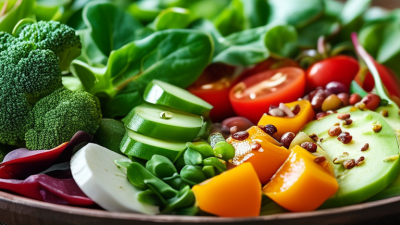
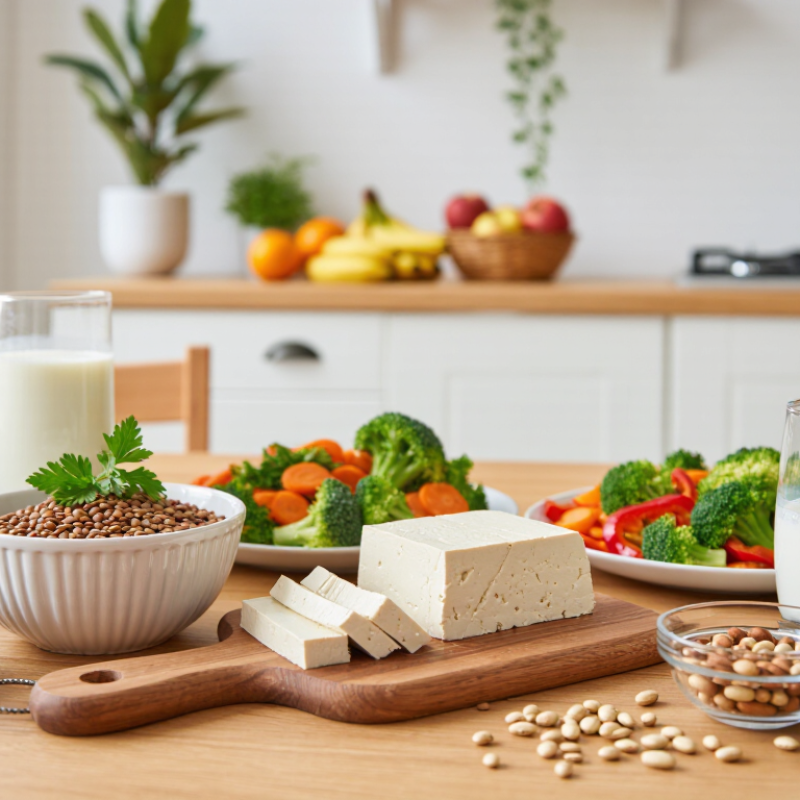
A plant-based lifestyle is broader than removing meat. It centers meals on vegetables, fruits, beans, lentils, whole grains, nuts, and seeds. It may also include small amounts of eggs, dairy, or fish, depending on personal values and health needs. The label matters less than the pattern. A plate with brown rice, chickpeas, roasted carrots, and leafy greens is a practical example.

The Oxford-led analysis published in Science found that vegan diets can reduce food-related land use by 76% and greenhouse-gas emissions by 49%. These figures describe average dietary patterns, not guaranteed personal results. Portion sizes, food waste, farming methods, and transport still matter. The World Resources Institute also identifies plant-rich diets as important for meeting future food demand. That does not make every packaged plant-based product automatically healthy. Read the label.

A complete lifestyle can include choosing plant-based meals, checking ingredients, reducing food waste, and learning basic nutrition. People eating fully vegan diets should plan reliable vitamin B12 sources, while iron, calcium, iodine, vitamin D, and omega-3 intake deserve attention. A registered dietitian can help with medical conditions or pregnancy. It is not perfection. I still find convenience foods useful on busy evenings, and fresh produce can be expensive or unavailable. A realistic plan might begin with two plant-centered dinners weekly, then adjust after tracking energy, digestion, cost, and enjoyment.

Assessing Your Goals, Dietary Needs, and Current Eating Habits

Starting a plant-based lifestyle in 2026 should begin with an honest assessment, not a dramatic pantry cleanout. Define your goal: more plants, fully vegan, lower environmental impact, or better blood sugar control. These goals require different plans. Write down what success means for you. “Cook four dinners weekly” is clearer than “eat healthier.” Keep a three-day food record, including snacks, drinks, portions, energy, and digestion. Be accurate, not impressive.

Review your medical needs before changing your intake. A registered dietitian or qualified clinician can help with diabetes, pregnancy, kidney disease, allergies, or eating disorder history. Check likely nutrient gaps, especially vitamin B12, iron, calcium, iodine, vitamin D, omega-3 fats, and protein. Fortified foods or supplements may be appropriate, but doses should match individual advice. Pair beans, lentils, tofu, whole grains, nuts, and seeds across the week. Do not rely on one “superfood.”

Look at your current habits without judging them. If breakfast is sweetened cereal and coffee, try oats with fruit, seeds, and calcium-fortified milk. If dinner is takeaway, replace one meal with lentil soup and a chopped salad. Small experiments expose practical problems. My ideal plan might fail on a busy Tuesday. That matters. Track hunger, concentration, digestion, and convenience for two weeks. You may discover that your favorite recipe lacks protein or takes too long after work. Adjust it instead of blaming yourself.

How to Start a Plant-Based Lifestyle in 2026? – Assessing Your Goals, Dietary Needs, and Current Eating Habits

Assessment Area Useful Question or Metric Evidence-Based Reference Point Practical Starting Action
Primary goal Why do you want to change your eating pattern? Common goals include improving diet quality, increasing fiber intake, reducing environmental impact, supporting ethical values, or managing body weight. Write one measurable goal, such as “Include vegetables at lunch and dinner at least five days per week.”
Preferred pace Would a gradual change or an immediate transition be easier to maintain? There is no single required transition speed. A sustainable plan is more important than a rapid change. Begin with one plant-based meal daily, two meat-free days weekly, or a gradual reduction of animal foods.
Current protein intake Do most meals contain a clear protein source? The adult protein RDA is approximately 0.8 g per kilogram of body weight per day; individual needs may be higher during pregnancy, older age, or athletic training. Build meals around beans, lentils, peas, tofu, tempeh, nuts, seeds, or fortified soy foods.
Fiber intake How often do you eat legumes, whole grains, fruit, and vegetables? General adult fiber targets are about 25 g per day for women and 38 g per day for men, depending on age and energy needs. Increase fiber gradually and drink enough fluids to reduce digestive discomfort.
Vitamin B12 Will your plan exclude meat, fish, eggs, and dairy foods? Adults generally need 2.4 micrograms of vitamin B12 per day. Reliable fortified foods or a supplement are needed for most fully vegan diets. Plan a consistent B12 source and discuss supplement choice with a qualified healthcare professional.
Iron Are you at increased risk because of menstruation, pregnancy, adolescence, or a history of low iron? Adult needs vary: approximately 8 mg daily for many adult men and postmenopausal women, and 18 mg for many premenopausal women. Plant iron is absorbed less efficiently. Eat legumes, tofu, fortified cereals, seeds, and dark leafy greens with vitamin-C-rich foods.
Calcium Do you regularly consume calcium-rich foods? Most adults aged 19–50 require about 1,000 mg of calcium daily; needs vary by age, sex, and life stage. Include calcium-set tofu, fortified plant beverages, beans, tahini, and suitable leafy greens.
Omega-3 fats Do meals contain a source of essential omega-3 fatty acids? Adequate intake for alpha-linolenic acid is approximately 1.6 g per day for adult men and 1.1 g for adult women. Use ground flaxseed, chia seeds, walnuts, or rapeseed oil regularly.
Vitamin D Do you have limited sunlight exposure or few fortified foods in your diet? The general adult recommended amount is 15 micrograms, or 600 IU, per day, although requirements can vary by location, season, and health status. Check fortified foods and ask a healthcare professional whether testing or supplementation is appropriate.
Meal structure Does each main meal include vegetables, protein, whole-food carbohydrates, and healthy fat? A varied pattern supports intake of fiber, protein, vitamins, minerals, and essential fats. Use a simple plate pattern: half vegetables or fruit, one quarter protein-rich plant foods, and one quarter whole grains or starchy vegetables.
Processed food habits How often do packaged snacks, sugary drinks, refined grains, or highly processed meat alternatives replace whole foods? Plant-based does not automatically mean nutrient-dense; food quality and overall dietary pattern still matter. Keep convenient options available, but prioritize minimally processed foods most of the time.
Digestive adjustment Do legumes or high-fiber foods cause bloating or discomfort? A sudden increase in fiber can cause temporary gas or bloating in some people. Start with smaller portions, rinse canned legumes, choose well-cooked foods, and increase intake gradually.
Progress review What will you review after four weeks? Useful indicators include energy, satiety, digestion, meal variety, adherence, and relevant clinical markers when advised. Keep a short food and symptom log, then adjust portions, meal timing, or nutrient sources instead of abandoning the plan.
This general guide is not a substitute for individualized medical or nutrition advice. People who are pregnant, breastfeeding, under 18, managing a medical condition, or taking medication should consult a qualified healthcare professional before making major dietary changes.

Building a Balanced Plant-Based Meal Plan

A balanced plant-based meal plan begins with structure, not restriction. The World Health Organization recommends at least 400 grams of fruits and vegetables daily. Divide that target across meals. Try oats with berries and seeds at breakfast. Add lentil soup, leafy greens, and whole-grain bread for lunch. Dinner can include beans, brown rice, roasted vegetables, and calcium-fortified tofu. Color matters. So does variety.

The EAT-Lancet Commission’s dietary model suggests about 100 grams of legumes, 50 grams of nuts, and 232 grams of whole grains daily. These figures are useful starting points, not rigid rules. Include a protein source at every meal. Lentils, chickpeas, peas, tofu, and tempeh work well. Add olive oil, avocado, or tahini for energy and healthy fats. My plans sometimes look perfect on paper, then fail during a busy evening. Prepare one grain and one bean dish ahead.

Nutrient details deserve attention. The National Institutes of Health lists 2.4 micrograms of vitamin B12 daily for adults. Fortified foods or a suitable supplement may be necessary. Iron-rich beans pair well with tomatoes, peppers, or citrus fruits. Calcium-fortified drinks, tofu, and leafy greens can support bone health. Check nutrition labels carefully. Individual needs differ, especially during pregnancy, illness, or intensive training. A registered dietitian can review the plan.

Replacing Animal Products with Nutritious Plant Alternatives

How to Start a Plant Based Lifestyle in 2026?

Replacing Animal Products with Nutritious Plant Alternatives

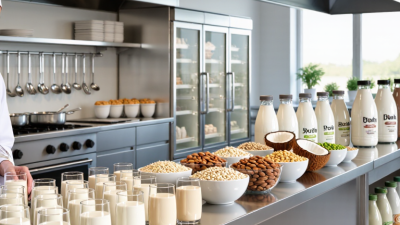
A plant-based lifestyle becomes easier when one meal changes at a time. Replace dairy milk with calcium-fortified soy or oat milk in breakfast bowls and coffee. Choose tofu, tempeh, lentils, beans, or peas instead of meat. These foods provide protein, fiber, iron, and other useful nutrients. Texture matters too. Crispy tofu may feel more satisfying than soft tofu.

Read nutrition labels carefully. Select products with modest sodium and added sugars. Fortified plant milks can provide calcium and vitamin D, but their nutrients vary widely. Soy milk usually offers protein closer to dairy milk than many other options. Nuts, seeds, and avocado add healthy fats, although portions still matter. A large handful is easy to underestimate.

Keep vitamin B12 in your plan. Reliable fortified foods or a suitable supplement may be necessary for people avoiding animal products. Omega-3 sources include ground flaxseed, chia seeds, and walnuts. Iron-rich beans pair well with tomatoes, peppers, or citrus fruit, because vitamin C supports iron absorption. It takes adjustment. My own imaginary perfect meal plan would still need better planning on busy evenings. Convenience can quietly push meals toward refined foods, not nutritious alternatives. A simple dinner of lentil soup, whole-grain bread, and steamed greens is often more dependable than an ambitious recipe. People with medical conditions should discuss major dietary changes with a qualified healthcare professional.

Adapting Your Lifestyle and Tracking Long-Term Progress

How to Start a Plant Based Lifestyle in 2026?
Adapting Your Lifestyle and Tracking Long-Term Progress

A plant-based lifestyle works better when it fits your routine, not a perfect weekly menu. Start with one familiar meal, such as oats with fruit, lentil soup, or tofu with brown rice. The World Health Organization recommends at least 400 grams of fruits and vegetables daily. Use that target as a practical reference, not a strict test.

Track patterns weekly. Record plant servings, fiber-rich foods, protein sources, energy, digestion, and sleep. Include beans, whole grains, nuts, seeds, and fortified foods. The Academy of Nutrition and Dietetics reports that well-planned vegetarian and vegan diets can meet nutritional needs. Vitamin B12 deserves special attention, especially for fully vegan diets. A qualified dietitian can help assess iron, calcium, vitamin D, and omega-3 intake.

Keep it measurable.

The EAT-Lancet Commission estimated that healthier diets could prevent around 11 million premature deaths annually. That figure supports dietary change, but it does not guarantee individual results. My first attempt would probably include too many new recipes and too little preparation time. That is worth admitting. Review your notes every four weeks, then adjust one habit. A missed meal is feedback, not failure. Track consistency across months, rather than chasing a flawless day.