10 Best Plant Based Milk Options for a Healthier Lifestyle?
The rising popularity of plant based milk has reshaped the beverage landscape significantly. Reports from the Plant Based Foods Association reveal that the plant-based milk market grew by 20% in 2020 alone. Many consumers are increasingly looking for healthier alternatives to dairy milk. Plant based milk offers a variety of options that cater to different dietary needs and preferences.
Dr. David Jenkins, a nutrition expert at the University of Toronto, emphasized, “Plant based milk can be a part of a balanced diet.” This reinforces the idea that these alternatives are not just a trend but a viable option for many. Various types of plant based milk, including almond, soy, and oat, provide unique nutritional benefits. However, some products may be fortified with added sugars or additives. This raises questions about their overall health impact.
As you explore the best plant based milk options, consider both the nutritional content and your personal health goals. Not every plant based milk is created equal. It’s essential to read ingredient labels and understand what you consume. Balancing taste and health can sometimes be a challenge, but it’s worth the effort for a healthier lifestyle.
What is Plant-Based Milk and Its Health Benefits?
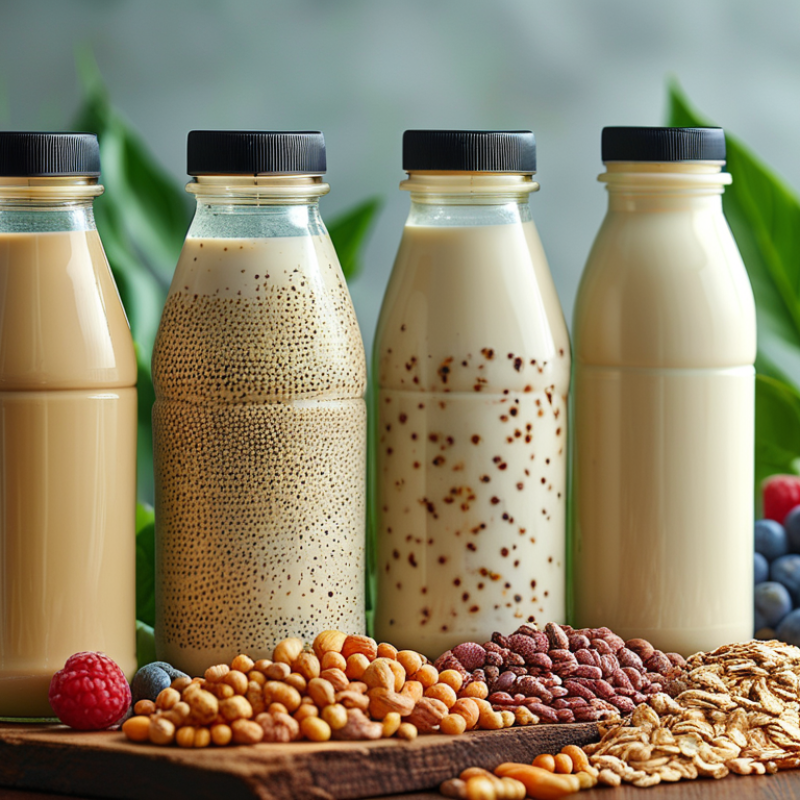
Plant-based milk is a delicious alternative to dairy. It's made from nuts, grains, and seeds. Common options include almond, soy, oat, and coconut milk. They cater to those with lactose intolerance or dairy allergies. Each type has unique nutritional benefits. For instance, almond milk is low in calories. Soy milk is high in protein, making it a great choice for vegetarians.
The health benefits of plant-based milk are significant. Many varieties are fortified with vitamins and minerals. They often contain less saturated fat compared to cow's milk. Plant-based options can contribute to heart health. However, while they offer nutrition, some are lower in protein. This may lead to dietary gaps if not paired with other protein sources.
People may also find the taste varies significantly between different types. Preferences can evolve over time, so it’s worth experimenting. It’s essential to read labels, as not all plant-based milk is created equal. Some may contain added sugars or preservatives. Balance is key in any diet, and plant-based milk can be part of a nutritious lifestyle.
10 Best Plant Based Milk Options for a Healthier Lifestyle
| Plant Based Milk |
Calories (per cup) |
Protein (g) |
Calcium (%) |
Flavor Profile |
Health Benefits |
| Almond Milk |
30 |
1 |
50% |
Nutty, Mild |
Low in calories, rich in vitamin E |
| Soy Milk |
80 |
7 |
30% |
Creamy, Mild |
High in protein, good for heart health |
| Oat Milk |
60 |
2 |
25% |
Creamy, Sweet |
Rich in fiber, may help lower cholesterol |
| Coconut Milk |
45 |
0 |
10% |
Rich, Tropical |
High in MCTs, may support weight loss |
| Rice Milk |
120 |
1 |
30% |
Sweet, Watery |
Hypoallergenic, good for lactose intolerance |
| Hemp Milk |
60 |
3 |
45% |
Nutty, Creamy |
Rich in omega-3s, good for heart health |
| Cashew Milk |
25 |
1 |
10% |
Rich, Creamy |
Low in calories, contains healthy fats |
| Flax Milk |
50 |
1 |
30% |
Mild, Nutty |
High in omega-3s, supports brain health |
| Pea Milk |
70 |
8 |
45% |
Mild, Sweet |
High in protein, sustainable source |
Top 10 Plant-Based Milk Varieties Explained
Plant-based milk has gained popularity for numerous reasons. Many choose it for health benefits, while others do so for environmental concerns. Understanding the varieties available can help you make informed choices.
Almond milk is light and refreshing. It is low in calories, making it a go-to for those on a diet. However, for people with nut allergies, it is not an option.
Oat milk, dense and creamy, is excellent in coffee. It can leave a thick texture, which may not appeal to everyone.
Soy milk is packed with protein. For those looking to increase their protein intake, this is a solid choice. Nevertheless, some individuals find it hard to digest.
Coconut milk offers a unique flavor, ideal for smoothies and desserts. But the high-fat content can be a concern for some. This variety can also alter recipes in unexpected ways. Each plant-based milk offers something different, yet each has its pros and cons.
Nutritional Profiles of Popular Plant-Based Milks
The rise of plant-based milks is redefining healthy living. Each option offers various nutritional benefits. For example, almond milk is low in calories but lacks protein. Soy milk provides a good source of protein and is rich in essential fatty acids. Oat milk features a creamy texture and is high in fiber, perfect for digestion.
When choosing a plant-based milk, consider your nutritional needs. For those needing protein, soy milk is a smart choice. If you want fewer calories, almond or coconut milks are great alternatives. Always check the labels. Some brands add sugars or thickeners. This can change the health profile significantly.
It's also essential to balance your diet. Relying solely on one type of milk may lead to deficiencies. Diversifying your choices can yield better overall health. Pairing different plant-based milks can enhance your nutritional intake. Think about your taste preferences as well. Each option brings something unique to your meals.
How to Choose the Right Plant-Based Milk for Your Needs
Choosing the right plant-based milk can be daunting. With so many options available, it’s essential to consider your dietary needs. For instance, some people need milk with added protein, while others look for low-calorie options. Almond, soy, oat, and coconut milks each have unique benefits.
When selecting plant-based milk, think about nutritional content. Look for options fortified with calcium and vitamin D. This is crucial for bone health. Unsweetened varieties can help manage sugar intake. Some products may include additives that are not beneficial. Reading labels is essential.
Tips: Experiment with different types. You might find almond milk enjoyable in smoothies. If you’re sensitive to lactose, soy milk could be a great alternative. Don’t forget to check for allergens. Some plant milks may contain nuts or gluten.
Taste and texture also matter. Some people prefer the creaminess of coconut milk in their coffee. Others enjoy the lightness of oat milk in cereals. It may take time to find your favorite. Reflect on how you feel after consuming each type. That could guide your choice.
Recipes and Uses for Plant-Based Milks in Daily Cooking
Plant-based milks are versatile and nutritious alternatives to dairy. You can use them in various recipes for daily cooking. Almond milk works well in smoothies. Its light flavor complements fruits and greens. Oat milk adds creaminess to soups. It thickens dishes without overpowering them. Coconut milk is perfect for curries. Its rich texture enhances the dish's depth.
Tips: When using oat milk, avoid high heat to prevent separation. Almond milk is best when added at the end of cooking. Try blending cashew milk into sauces for a creamy base. Remember, some plant milks taste stronger than others, so taste varies. Experimenting is key to finding the right balance for each recipe.
For baking, consider soy milk. It can replace cow's milk in most recipes. Banana bread tastes great with almond or soy milk. You might find that the flavors change depending on the milk you choose. Keep a food diary to track how each milk affects dishes. This can help you refine your cooking. With careful selection, plant-based milks can elevate your meals.
10 Best Plant Based Milk Options for a Healthier Lifestyle
This chart displays the caloric content of various plant-based milk options, illustrating their differences in nutritional value. Incorporating these milks into your diet can promote a healthier lifestyle.