

Careers
2026 Top Types of Organic Food Ingredients for Global Buyers
Global buyers are reassessing organic food ingredients as consumers demand cleaner labels, responsible farming, and stronger supply-chain evidence. The market now extends beyond familiar products such as organic spices, cocoa, and grains. Buyers also examine plant-based proteins, natural sweeteners, botanical extracts, fruit powders, and fermentation-derived ingredients. Each category brings different questions about origin, processing, shelf life, and documentation.
Dr. Vandana Shiva, an environmental scholar and organic agriculture advocate, said, “Soil, not oil, sustains life.” This concise observation remains relevant for ingredient sourcing. Healthy soil can support biodiversity, resilient crops, and long-term agricultural productivity. Yet a certified organic label alone does not answer every commercial concern. Buyers still need current certificates, supplier audits, allergen controls, contaminant testing, and reliable traceability records. Small details matter. A sealed sample bag, a legible batch code, and a consistent moisture reading can influence a purchasing decision.
This guide reviews the top types of organic food ingredients expected to attract global buyers in 2026. It considers practical applications, sourcing regions, quality indicators, and common procurement risks. Some assumptions may prove wrong. Consumer preferences shift quickly, and supply disruptions can change ingredient priorities within months. Organic ingredients may also cost more, require careful storage, or show seasonal variation. These limitations deserve attention, not concealment. Experienced buyers should compare supplier evidence with market claims, assess the full supply chain, and avoid treating sustainability as a simple marketing phrase. Reliable decisions require patience, technical judgment, and continuous verification.
Organic Food Ingredients: Definition, Scope, and 2026 Market Categories
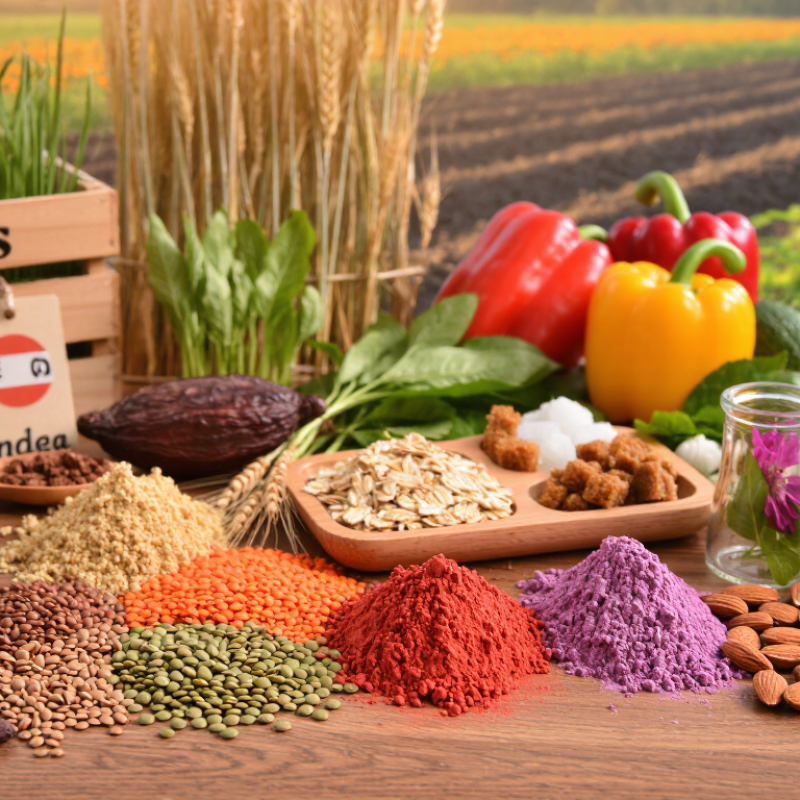
Organic food ingredients are agricultural materials produced and processed under recognized organic standards. They include grains, pulses, fruits, vegetables, herbs, spices, oils, sweeteners, dairy inputs, and plant-based proteins. Processing aids and additives may also qualify, but only when permitted by the relevant certification system.
The market is broad, yet not always tidy. FiBL and IFOAM Organics International reported global organic retail sales of approximately €134.8 billion in 2022. Their 2024 survey also recorded about 96.4 million hectares of organic farmland and 4.5 million producers worldwide. These figures show strong scale, but they do not guarantee uniform ingredient quality. Buyers still need certificates, transaction records, residue testing, allergen controls, and verified origin data.
For 2026 procurement, practical categories include organic cereal flours, protein-rich pulses, cold-pressed oils, natural fruit concentrates, botanical extracts, and clean-label sweeteners. Fermented ingredients and organic plant proteins deserve attention as food manufacturers seek flexible formulations. Demand is rising. Supply consistency remains harder. Weather, conversion periods, and regional certification differences can affect availability and price. That weakness matters. A supplier may offer organic status but lack reliable batch-level traceability. Global buyers should compare certification scope, processing methods, moisture specifications, microbiological results, and delivery history before approving an ingredient. Classification is useful, but evidence matters more.
Plant-Based Organic Ingredients: Grains, Legumes, Fruits, and Vegetables
Organic grains remain a practical foundation for global buyers. Oats, rice, wheat, quinoa, and corn serve bakery, beverage, and cereal applications. FiBL and IFOAM reported global organic retail sales of about €135 billion in 2022. Organic farmland also reached approximately 96.4 million hectares. These figures show scale, but not uniform supply quality.
Legumes add protein, fiber, and useful texture. Buyers often source organic chickpeas, lentils, peas, and beans for flours, canned foods, and meat alternatives. Each shipment needs clear moisture limits, pesticide testing, allergen controls, and lot-level traceability. FAOSTAT data shows legumes remain important food crops worldwide, yet organic availability differs sharply by region. Seasonal shortages can change prices quickly.
Fruits and vegetables bring color and functional value. Organic apples, berries, bananas, tomatoes, onions, and leafy greens require careful control after harvest. Temperature abuse can damage quality before inspection. Fresh products need stronger logistics than dried ingredients. Processing can reduce waste, but it may weaken the simple “natural” story. That deserves honest review. FiBL’s 2024 sector statistics also show that organic production is expanding unevenly, so buyers should verify certificates, origin records, and current regulatory equivalence before signing long-term contracts.
2026 Top Types of Organic Food Ingredients for Global Buyers - Plant-Based Organic Ingredients: Grains, Legumes, Fruits, and Vegetables
| Ingredient | Plant-Based Category | Common Organic Ingredient Forms | Typical Growing Regions | Approximate Nutrient Reference per 100 g | Common Buyer Applications | Key Storage Considerations |
|---|---|---|---|---|---|---|
| Oats | Grain | Rolled oats, oat flour, oat bran, steel-cut oats | Temperate regions of North America, Northern Europe, and Australia | 389 kcal; 16.9 g protein; 10.6 g fiber | Breakfast cereals, granola, bakery mixes, porridge, plant-based beverages | Keep dry and cool; protect from moisture, pests, and rancidity caused by residual oil |
| Quinoa | Grain-like Seed | Whole quinoa, flakes, flour, puffed quinoa | Highland areas of the Andes, especially Bolivia, Peru, and Ecuador | 368 kcal; 14.1 g protein; 7.0 g fiber | Gluten-free foods, ready-to-cook mixes, nutrition bars, salads, flour blends | Use cleaned and, where required, de-saponined material; store in a dry, low-humidity environment |
| Brown Rice | Grain | Whole-grain rice, rice flour, rice flakes, rice bran | Asia, the Americas, Southern Europe, and parts of Africa | 370 kcal; 7.9 g protein; 3.5 g fiber | Gluten-free bakery products, cereals, snacks, noodles, infant-food formulations | Rice bran contains oil and is more prone to oxidation; use appropriate packaging and temperature control |
| Corn | Grain | Whole cornmeal, grits, corn flour, starch, flakes | North and South America, Europe, China, and Southern Africa | 365 kcal; 9.4 g protein; 7.3 g fiber | Gluten-free flour blends, tortillas, snacks, breakfast cereals, starch-based foods | Control moisture and mycotoxins; buyers commonly require documented testing and traceability |
| Lentils | Legume | Whole lentils, split lentils, lentil flour, protein-rich fractions | Canada, South Asia, the Mediterranean region, and Australia | 352 kcal; 24.6 g protein; 10.7 g fiber | Soups, canned foods, plant-based meals, pasta, snack products, protein blends | Store in clean, dry conditions; segregate allergen and crop lots according to buyer requirements |
| Chickpeas | Legume | Whole chickpeas, split chickpeas, chickpea flour, roasted chickpeas | South Asia, the Mediterranean, North America, and Australia | 364 kcal; 19.3 g protein; 17.4 g fiber | Hummus, gluten-free bakery, pasta, snacks, soups, extruded plant-based foods | Protect from insect infestation and moisture; flour should be packed to limit oxidation and contamination |
| Peas | Legume | Whole peas, pea flour, pea protein concentrate, pea starch | Cool temperate regions of Europe, North America, and Asia | Dry peas: 341 kcal; 24.6 g protein; 25.5 g fiber | Plant-based meat, protein powders, soups, pasta, snacks, and dairy-alternative products | Maintain low moisture and protect from heat; protein ingredients require careful microbiological control |
| Black Beans | Legume | Whole dried beans, canned beans, bean flour, cooked frozen beans | Latin America, North America, and selected regions of Africa | 341 kcal; 21.6 g protein; 15.5 g fiber | Ready meals, soups, dips, canned foods, plant-based fillings, and flour-based snacks | Dry beans need low humidity and pest protection; cooked formats require validated thermal processing |
| Chia Seeds | Oilseed | Whole seeds, milled chia, chia flour, chia oil | Mexico, Central America, South America, and Australia | 486 kcal; 16.5 g protein; 34.4 g fiber | Bakery products, cereals, smoothies, nutrition bars, puddings, and egg-replacement systems | High oil content requires protection from oxygen, light, heat, and moisture |
| Almonds | Tree Nut | Whole almonds, sliced almonds, almond meal, almond butter | Mediterranean climates, California, Australia, and parts of the Middle East | 579 kcal; 21.2 g protein; 12.5 g fiber | Confectionery, bakery, cereals, nut beverages, spreads, and snack products | Declare and manage tree-nut allergens; control oxygen, humidity, pests, and aflatoxin risk |
| Blueberries | Fruit | Frozen berries, freeze-dried pieces, purée, concentrate, powder | North America, South America, Europe, and selected Southern Hemisphere regions | Fresh: 57 kcal; 0.7 g protein; 2.4 g fiber | Smoothies, cereals, bakery fillings, snack bars, beverages, and fruit powders | Fresh and frozen products require cold-chain management; dried products need moisture-barrier packaging |
| Strawberries | Fruit | Frozen whole fruit, slices, purée, concentrate, freeze-dried pieces | Temperate and subtropical production zones in the Americas, Europe, and Asia | Fresh: 32 kcal; 0.7 g protein; 2.0 g fiber | Yogurt preparations, desserts, beverages, jams, bakery fillings, and fruit snacks | Highly perishable; use rapid cooling, cold storage, and validated microbial controls for processed formats |
| Mango | Fruit | Dried mango, purée, pulp, concentrate, juice powder | South Asia, Southeast Asia, Latin America, and parts of Africa | Fresh: 60 kcal; 0.8 g protein; 1.6 g fiber | Juices, smoothies, sauces, fruit snacks, confectionery, dairy alternatives, and bakery products | Control water activity in dried products; protect purées and concentrates from heat and oxidation |
| Apples | Fruit | Apple slices, purée, juice concentrate, apple powder, dried apples | Temperate regions of Europe, Asia, North America, and the Southern Hemisphere | Fresh: 52 kcal; 0.3 g protein; 2.4 g fiber | Baby food, sauces, bakery fillings, cereals, beverages, and snack products | Use controlled atmosphere or refrigerated storage for fresh fruit; limit browning in cut and puréed products |
| Tomatoes | Vegetable | Whole tomatoes, diced tomatoes, purée, paste, flakes, powder | Mediterranean climates, the Americas, China, and other warm temperate regions | Raw: 18 kcal; 0.9 g protein; 1.2 g fiber | Sauces, soups, ready meals, seasoning blends, snacks, and beverage bases | Processed products require validated heat treatment; protect powders and flakes from moisture and light |
| Carrots | Vegetable | Fresh carrots, diced carrots, purée, juice, flakes, powder | Temperate and subtropical production regions across Europe, Asia, and the Americas | Raw: 41 kcal; 0.9 g protein; 2.8 g fiber | Baby food, soups, juices, sauces, frozen meals, bakery mixes, and natural color systems | Fresh products need cool, humid storage; dried products require moisture protection and color stability controls |
| Spinach | Vegetable | Fresh leaves, frozen spinach, flakes, purée, powder | Cool-season growing regions in Europe, Asia, and North America | Raw: 23 kcal; 2.9 g protein; 2.2 g fiber | Green powders, soups, sauces, pasta, smoothies, frozen meals, and natural-color formulations | Highly perishable when fresh; use rapid cooling and protect dried powder from oxygen, light, and moisture |
| Broccoli | Vegetable | Fresh florets, frozen florets, purée, flakes, powder | Temperate and Mediterranean production areas in Europe, Asia, and the Americas | Raw: 34 kcal; 2.8 g protein; 2.6 g fiber | Frozen meals, soups, vegetable blends, baby food, snack powders, and functional food mixes | Rapid cooling helps preserve quality; blanching and controlled drying help retain color and reduce enzymatic activity |
Reference note: Nutrient figures are approximate values for raw or dry ingredients per 100 g and may vary by cultivar, growing conditions, processing method, and moisture content. Organic status should be verified through a valid certification and transaction-specific documentation.
Organic Oils, Sweeteners, Herbs, Spices, and Functional Extracts
2026 Top Types of Organic Food Ingredients for Global Buyers
Organic oils and sweeteners remain practical choices for clean-label food production. Extra virgin olive, coconut, sunflower, and sesame oils support sauces, bakery fillings, and nutritional products. Buyers should check origin, extraction method, acidity, peroxide value, and pesticide test results. Cold-pressed oil can offer a fresh profile, but its flavor may vary between harvests. Organic cane sugar, coconut sugar, agave syrup, and rice syrup provide different sweetness levels and textures. Certification rules differ by market, so one certificate may not satisfy every importer.
Herbs and spices add identity without complicated formulas. Basil, rosemary, turmeric, ginger, cinnamon, and black pepper need careful control of moisture, microbial levels, and foreign materials.
Functional extracts, including botanical, fiber-rich, and mushroom-based ingredients, are gaining attention in beverages and wellness foods. Buyers should request solvent details, active-compound data, allergen statements, and stability studies. Claims require restraint. An attractive extract is not automatically a proven health solution.
Tips: Start with a small sample order. Compare aroma, color, solubility, and batch consistency. Ask for current organic certificates and laboratory reports. Confirm packaging protects oils from light and heat. For powders, inspect flowability and caking after storage. A low price may hide weaker testing or shorter shelf life. That risk deserves a second review.
Quality Standards, Certifications, Traceability, and Import Requirements
For global buyers in 2026, organic ingredients require more than an organic logo. Common categories include herbs, spices, grains, oils, sweeteners, and plant-based powders. Specifications should state botanical identity, origin, processing method, moisture, particle size, and allergen status. Quality testing must match each ingredient’s risk profile. Powders may require pesticide residue, heavy metal, pathogen, and mycotoxin testing. Fresh extracts may need solvent and microbial controls. Small details matter.
A valid certificate should come from an accredited or officially recognized certifier. Check its scope, expiry date, certified facility, product category, and handling method. Organic status can be lost during storage, blending, or transport. Request lot-specific transaction documents, certificates of analysis, harvest records, and sanitation logs. Traceability should move from each carton back to the farm or collection site. A clear lot code helps. Do not treat paperwork as proof by itself. A certificate may look complete while a subcontracted processor remains unclear.
Import readiness differs by destination. Buyers should verify customs classification, organic import declarations, labeling language, permitted additives, and notification rules. Some authorities also require residue tests, health certificates, or facility registration. Confirm these requirements before production, not after loading. I recommend a checklist signed by both parties. It reduces surprises, although it cannot replace physical inspection. No checklist is flawless. Even strong suppliers can miss a revised rule, so a written contingency plan remains practical.
How Global Buyers Evaluate Organic Ingredients for 2026 Supply Chains
2026 Top Types of Organic Food Ingredients for Global Buyers
Global buyers are examining organic ingredients beyond price and certification. They compare supply reliability, processing methods, traceability, and seasonal availability. Common categories include organic spices, grains, sweeteners, plant proteins, oils, fruit powders, and botanical extracts. Each category carries different sourcing risks. A spice may require strict microbial testing, while a fruit powder needs moisture control and color stability.
Documentation remains central to procurement decisions. Buyers often request current organic certificates, country-of-origin records, allergen statements, pesticide test results, and batch-level traceability. They also review whether farms, processors, and warehouses follow consistent procedures. Clear records reduce delays during customs checks and customer audits. Small details matter, such as matching lot numbers across invoices, certificates, and laboratory reports.
Supply-chain resilience now receives more attention. Buyers assess harvest forecasts, backup suppliers, storage conditions, and realistic lead times. They may ask for retained samples before approving larger volumes. Taste and texture still matter. A technically compliant ingredient can fail in a finished product. No checklist is flawless. Some buyers may overvalue documents and underuse sensory testing. That assumption can fail when crops vary by region or season. Reliable evaluation combines verified evidence, practical trials, and honest communication about limits.
Related Posts
-
Top Organic Food Ingredients for Global Buyers in 2026?
-

Why Are Clean Label Foods Important for Global Buyers?
-
2026 How to Choose Natural Food Products for a Healthier Lifestyle?
-
Top 10 Benefits of a Plant Based Diet for Health and Wellness?
-
China Best Nutritional Beverage Products for Health and Wellness?
-

What Are China Top 10 Dairy Free Alternatives Suppliers?