



Natural Organic Food Products & Ingredient Sourcing Company
2026 Best Clean Eating Foods for Global Buyers
In 2026, global buyers are looking beyond attractive packaging and vague wellness claims. They want clean eating foods with clear origins, simple ingredients, and dependable quality. A buyer in Singapore may inspect pesticide documentation, while a retailer in Germany may focus on organic certification and allergen statements. Different markets require different proof.
Tosca Reno, author of The Eat-Clean Diet, expressed the philosophy in a memorable line: “Eat clean, train dirty.” Her words emphasize practical food choices rather than complicated promises. For international sourcing, this means prioritizing fresh vegetables, whole grains, legumes, nuts, seeds, minimally processed fruit, and responsibly produced proteins. It also means checking harvest dates, storage conditions, supplier audits, and traceability records. Clean eating foods should look recognizable on the ingredient label. Ideally, a buyer can understand every major component without a chemistry degree.
Yet “clean” is not a universal legal category. The term can mean different things across countries, and marketing language may create confusion. Organic, natural, non-GMO, and minimally processed are not identical claims. Buyers must verify each statement through recognized standards and current local regulations. This guide compares practical choices for global purchasing, including shelf stability, nutrition, packaging, and supply reliability. Some recommendations will be imperfect. Availability changes, crops fail, and sustainable options may cost more. That reality deserves honest attention. Good sourcing is not about finding flawless food. It is about making transparent, evidence-based decisions that protect consumers and strengthen long-term supplier relationships.
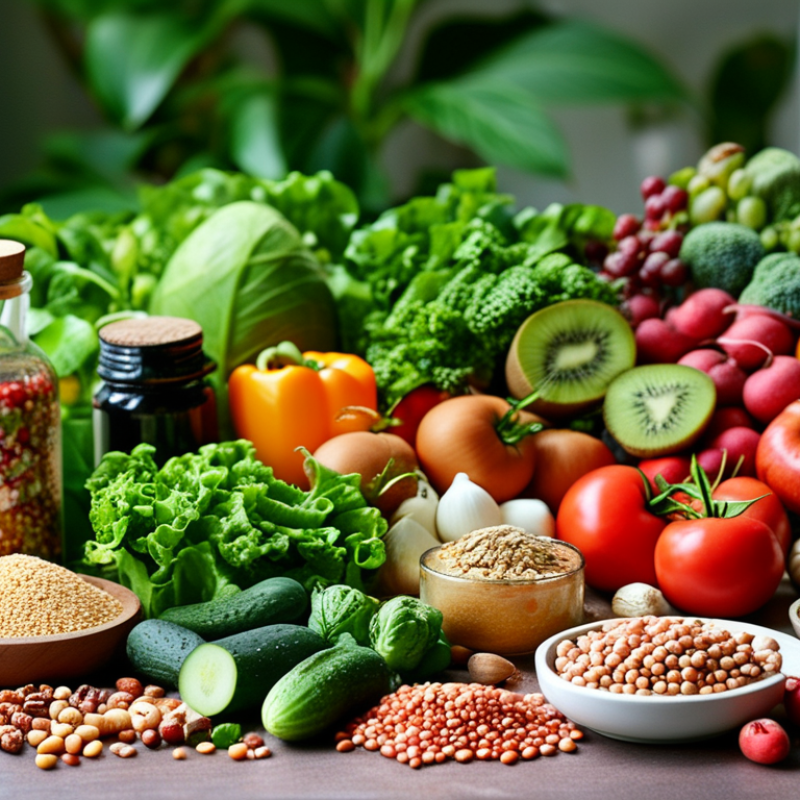
What Clean Eating Means for Global Food Buyers in 2026
In 2026, clean eating means choosing foods with understandable ingredients, responsible processing, and reliable supply information. For global food buyers, the phrase requires careful translation across cultures and regulations. “Clean” is not a universal legal category. Buyers should examine ingredient lists, processing methods, allergen controls, and origin records. A simple label can still hide excessive sodium, added sugars, or unclear additives. Good sourcing begins with evidence.
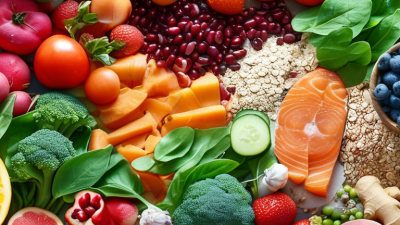
Practical choices may include whole grains, beans, fresh or frozen vegetables, fruit, nuts, seeds, and minimally processed proteins. These foods can support balanced menus when portion sizes and local dietary needs are considered. Fresh is not always better. Properly frozen vegetables may retain quality while reducing waste during long-distance transport. Buyers should also check packaging materials, storage temperatures, and delivery conditions. Small details matter.
No checklist is perfect. My own purchasing reviews sometimes favor nutrition while overlooking affordability for smaller communities. That weakness deserves attention. Reliable suppliers should offer batch records, laboratory testing, clear certificates, and realistic shelf-life data. Buyers can compare these documents with local food rules before signing contracts. They should also ask how workers, farmers, and ecosystems are treated. Clean eating should not mean expensive food for a narrow market. In 2026, trustworthy decisions depend on transparent evidence, practical nutrition, and the humility to question attractive claims.
| Food | Food Category | Preferred Clean-Label Form | Energy (kcal/100 g) |
Protein (g/100 g) |
Dietary Fiber (g/100 g) |
Notable Nutrients | Global Buyer Value | Key Purchasing Specifications | Common Allergen or Risk Considerations |
|---|---|---|---|---|---|---|---|---|---|
| Rolled Oats | Whole grain | Whole rolled oats with no added sugar, flavoring, or coating | 389 | 16.9 | 10.6 | Iron, magnesium, phosphorus, manganese, beta-glucan | Long shelf stability, versatile breakfast ingredient, suitable for flakes, bars, porridge, and baking | Moisture level, foreign-matter control, mycotoxin testing where required, lot traceability, packaging barrier | Contains oats; gluten cross-contact may matter for buyers requiring gluten-free controls |
| Quinoa | Pseudocereal | Whole quinoa, rinsed or mechanically processed without added seasoning | 120 cooked |
4.4 cooked |
2.8 cooked |
Magnesium, phosphorus, manganese, folate | Plant-based protein option with broad use in salads, bowls, side dishes, and ready meals | Seed cleanliness, saponin removal, moisture, pesticide-residue compliance, origin and lot documentation | Cross-contact controls may be needed for gluten-free or allergen-sensitive supply chains |
| Lentils | Pulse | Whole dried lentils or cooked lentils with water and no unnecessary additives | 116 cooked |
9.0 cooked |
7.9 cooked |
Folate, iron, potassium, phosphorus, zinc | Affordable plant protein and fiber source with strong suitability for soups, packaged meals, and dry retail formats | Uniform size, cooking performance, moisture, insect damage, foreign matter, and container integrity | May cause digestive discomfort for some consumers; control cross-contact in multi-pulse facilities |
| Chickpeas | Pulse | Whole dried chickpeas or canned chickpeas with water and low sodium | 164 cooked |
8.9 cooked |
7.6 cooked |
Folate, iron, phosphorus, potassium, magnesium | Useful in hummus, salads, snacks, soups, and plant-based prepared foods | Seed size, hydration and cooking quality, sodium level for canned formats, can or pouch integrity | Legume-related sensitivities; check local allergen-labeling requirements |
| Almonds | Tree nut | Raw or dry-roasted almonds without added sugar, hydrogenated oil, or excessive salt | 579 | 21.2 | 12.5 | Vitamin E, magnesium, calcium, monounsaturated fat | High-value snack and ingredient with strong use in cereals, bakery, beverages, and confectionery | Kernel size, moisture, rancidity indicators, aflatoxin controls where applicable, oxygen-barrier packaging | Major tree-nut allergen; strict segregation, sanitation, and declaration controls are essential |
| Spinach | Leafy green vegetable | Fresh, frozen, or minimally processed spinach without sauces or seasoning | 23 raw |
2.9 raw |
2.2 raw |
Vitamin K, vitamin A, folate, vitamin C, iron | Supports fresh, frozen, dehydrated, foodservice, and ingredient applications | Cold-chain control for fresh formats, microbiological testing, pesticide compliance, color and leaf integrity | Fresh leafy greens require careful hygiene and temperature management; nitrate levels may be regulated in some markets |
| Broccoli | Cruciferous vegetable | Fresh or frozen florets without added sauce, salt, or preservatives | 34 raw |
2.8 raw |
2.6 raw |
Vitamin C, vitamin K, folate, potassium | Suitable for frozen retail, foodservice, meal kits, and vegetable blends | Floret size, color, ice-glaze level for frozen goods, cold chain, pesticide and microbiological compliance | Cross-contact controls may be required in mixed-vegetable processing environments |
| Blueberries | Fruit | Fresh, frozen, or freeze-dried blueberries with no added sugar | 57 raw |
0.7 raw |
2.4 raw |
Vitamin C, vitamin K, manganese, naturally occurring polyphenols | Works across breakfast foods, bakery, beverages, snacks, and frozen fruit categories | Berry size, firmness, color, pesticide-residue compliance, cold chain, moisture control for dried formats | Fresh and frozen products require strong hygiene controls; avoid unsupported disease-prevention claims |
| Salmon | Fish and seafood | Fresh or frozen salmon with no breading, sweet glaze, or unnecessary additives | 208 raw |
20.4 raw |
0 | Vitamin D, vitamin B12, selenium, high-quality protein, long-chain omega-3 fatty acids | Premium protein option for retail, foodservice, and portion-controlled meals | Species identification, harvest or farming documentation, temperature history, histamine controls, glazing percentage | Fish allergen; monitor mercury guidance, contaminants, and cold-chain integrity according to destination-market rules |
| Extra-Virgin Olive Oil | Plant oil | Single-ingredient oil meeting the applicable extra-virgin grade standard | 884 | 0 | 0 | Monounsaturated fat, vitamin E, vitamin K | Suitable for dressings, cooking, marinades, sauces, and premium clean-label formulations | Acidity and quality grade, sensory profile, oxidation indicators, harvest date where available, dark or oxygen-limiting packaging | Declare as an oil ingredient; protect from heat, light, and oxygen during storage and distribution |
| Plain Yogurt | Fermented dairy | Milk and live cultures, with no added sugar, artificial flavor, or unnecessary stabilizer | 61 whole milk, plain |
3.5 | 0 | Calcium, vitamin B12, phosphorus, protein | Strong base for breakfast, sauces, dressings, and clean-label chilled products | Milk-fat level, live-culture specification, pH, cold-chain performance, package seal, use-by validation | Milk allergen; refrigeration is essential and lactose content varies by fermentation and product type |
| Brown Rice | Whole grain | Whole-grain brown rice or simply cooked brown rice without seasoning blends | 123 cooked |
2.7 cooked |
1.6 cooked |
Manganese, magnesium, phosphorus, B vitamins | Familiar staple with applications in retail packs, ready meals, meal kits, and foodservice | Moisture, broken-kernel percentage, cooking consistency, foreign matter, and market-specific contaminant testing | Rice products may require attention to inorganic arsenic limits or guidance in the destination market |
| Chia Seeds | Edible seed | Whole chia seeds with no sweeteners, flavorings, or coatings | 486 | 16.5 | 34.4 | Alpha-linolenic acid, calcium, magnesium, phosphorus | Compact, shelf-stable ingredient for cereals, bakery, beverages, and plant-based foods | Moisture, purity, microbial safety, pesticide-residue compliance, oxidation protection, and flowability | Seed sensitivity is possible; products should be labeled and handled according to local requirements |
Related Posts
-
How to Make Healthy Food Choices in 2026 for Global Buyers?
-
10 Essential Tips for Choosing Organic Food Products for a Healthier Lifestyle
-
Top Organic Food Ingredients for Global Buyers in 2026?
-
2026 How to Make Healthy Food Choices for a Better Lifestyle?
-
Top 10 Healthy Snack Foods for Global Buyers to Consider
-

Top Healthy Snack Foods to Source from China?