Why Is Plant Nutrition Essential for Crop Yield and Quality?
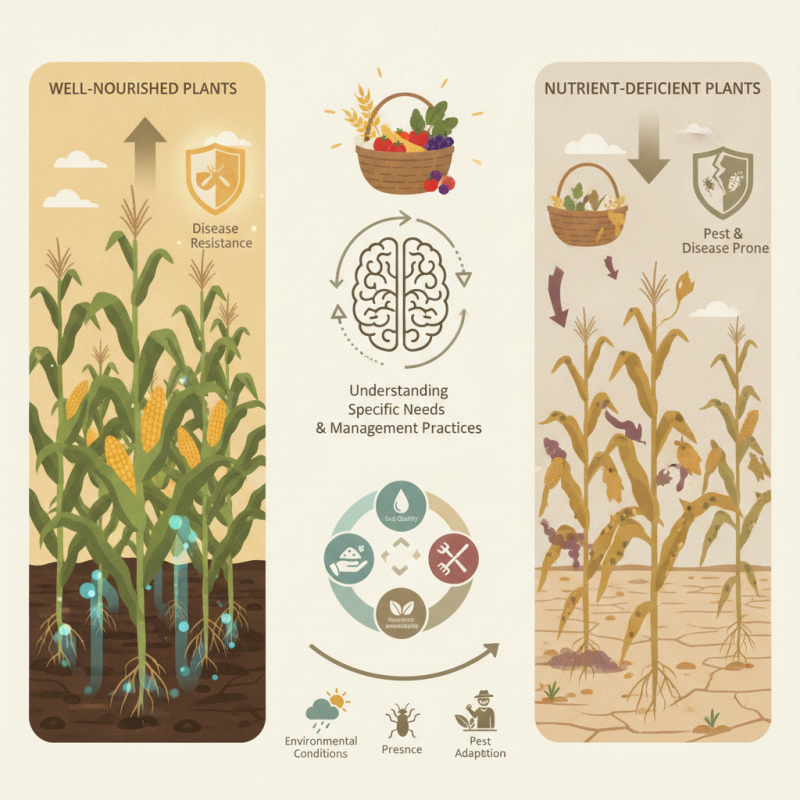
Plant Nutrition plays a vital role in determining crop yield and quality. Well-nourished plants show robust growth, resulting in higher production. The nutrients absorbed by plants influence their development and health. When plants lack essential nutrients, they are vulnerable to diseases and stress.
Research indicates that plant nutrition affects not only the quantity but also the nutritional value of crops. For instance, crops rich in essential minerals provide better health benefits for consumers. It is crucial for farmers to understand the specific nutritional needs of each crop. Soil quality, nutrient availability, and management practices directly impact outcomes.
However, achieving optimal plant nutrition is complex. Factors like environmental conditions and pest presence can hinder nutrient uptake. Farmers must constantly adapt their practices to maximize plant health. Reflecting on these challenges can lead to better strategies. Prioritizing plant nutrition is essential for future food security. Sustainable practices must be prioritized to ensure healthy yields over time.
The Role of Essential Nutrients in Plant Physiology
Essential nutrients play a crucial role in plant physiology. Each nutrient contributes to various functions that support growth and development. For example, nitrogen is vital for protein synthesis and overall plant vigor. Without it, crops may exhibit stunted growth and yellowing leaves. Phosphorus is important for energy transfer and root development. A deficiency can lead to weak root systems, ultimately affecting yield.
Micronutrients, though required in smaller quantities, are equally significant. Iron aids in chlorophyll production and photosynthesis, while zinc influences hormone production. Both nutrients help plants resist stress and improve overall health. However, many farmers overlook these elements, focusing only on macronutrients. This can lead to imbalanced nutrition and reduce crop quality.
Farmers must also adapt their practices based on soil conditions. Using soil tests can identify nutrient deficiencies, but this isn’t always done. Moreover, excessive fertilization can lead to nutrient runoff and environmental issues. Balancing nutrient supply is essential for sustainable agriculture. Understanding and applying the right nutrition is a continuous challenge, but essential for producing healthy crops.
Impact of Nutrient Deficiencies on Crop Growth and Development
Nutrient deficiencies can significantly hinder crop growth and development. Studies indicate that nearly 30% of global soils are deficient in critical nutrients such as nitrogen, phosphorus, and potassium. For instance, nitrogen deficiency can lead to stunted growth and yellowing of leaves. This not only limits crop yield but also affects quality. Plants require a balanced diet to thrive.
Phosphorus plays a vital role in root development and flowering. Insufficient phosphorus can delay maturity and reduce fruit size. Recent research suggests that crops with inadequate phosphorus could yield up to 40% less than those adequately nourished. Moreover, micronutrients like zinc and iron are often overlooked but crucial for plant health. Deficiencies in these can lead to decreased resistance to diseases.
Farmers must address these nutrient gaps through precise soil testing and tailored fertilization strategies. Observing signs of nutrient deficiency in crops is essential. Yellow leaves, poor root systems, and reduced yields often tell a story. Awareness and proactive measures can lead to better crop health and productivity. The challenge remains in balancing nutrient applications while considering environmental impacts.
Soil Health and Its Relationship to Plant Nutrition
Soil health plays a crucial role in plant nutrition. Healthy soil supports diverse microbial life. These microorganisms help break down organic matter, releasing essential nutrients. This process improves soil fertility and promotes better crop yields.
However, not all soils are in optimal condition. Soil erosion, nutrient depletion, and contamination can hinder plant growth. Farmers often face challenges in maintaining soil health. Some practices, like monocropping, can degrade soil quality over time.
Effective management of soil nutrition is vital. Regular soil testing helps identify nutrient needs. Organic amendments, such as compost, can enhance soil structure. An ideal balance of macronutrients and micronutrients leads to stronger plants. Investing in soil health is essential for sustained agriculture.
Methods of Enhancing Nutrient Availability in Agriculture
Enhancing nutrient availability is vital for boosting crop yield and quality. Farmers face challenges in providing essential nutrients to plants. Utilizing soil amendments can improve nutrient retention. Organic matter, like compost, increases soil fertility. This approach not only enhances nutrient availability but improves soil structure too.
Crop rotation is another effective method. Different crops have various nutrient needs. Rotating crops can help balance nutrient levels in the soil. It reduces the risk of nutrient depletion. Moreover, cover crops can protect soil during off-seasons. They naturally fix nitrogen and improve soil health.
Tips: Monitor soil pH regularly. The right pH level ensures nutrient availability. Consider using biofertilizers for sustainable growth. These contain beneficial microbes that enhance nutrient uptake. Additionally, avoiding over-fertilization can prevent nutrient depletion. Farmers should reevaluate their nutrient management practices. Simple adjustments can lead to better crop outcomes.
Why Is Plant Nutrition Essential for Crop Yield and Quality?
| Nutrient | Role in Plant Health | Impact on Yield | Enhancement Methods |
| Nitrogen | Essential for protein synthesis and leaf development | Increases vegetative growth, leading to higher yields | Use of nitrogen-fixing crops, fertilizers |
| Phosphorus | Important for energy transfer and root development | Enhances flowering and fruiting, leading to better quality | Application of rock phosphate, mycorrhizal fungi |
| Potassium | Regulates water uptake and enzyme functions | Improves drought resistance and overall plant health | Foliar sprays, potassium fertilizers |
| Calcium | Strengthens cell walls and supports root systems | Enhances fruit quality and storage life | Gypsum application, lime treatment |
Interplay Between Nutrition and Crop Quality Factors
Effective plant nutrition significantly influences crop quality and yield. Proper nutrient management enhances not only growth but also resilience against pests and diseases. According to a 2020 report from the Food and Agriculture Organization, nutrient deficiencies can reduce yields by up to 50% in certain crops. This stark figure highlights the importance of understanding the specific nutritional needs of each crop.
Optimal nutrient levels improve the taste, color, and nutritional value of crops. Studies show that well-nourished tomatoes have higher sugar content and better flavor. A survey revealed that 70% of consumers prefer produce with enhanced taste. This preference drives growers to refine their nutrient strategies. Yet, many farmers struggle to find the balance. Over-fertilization can lead to nutrient leaching, harming the environment and degrading soil quality.
Monitoring soil health is crucial. Regular testing can identify nutrient imbalances, guiding amendments. Experts recommend applying fertilizers based on soil needs, rather than a one-size-fits-all approach. Addressing plant nutrition holistically ensures that crops can thrive under varying conditions. This interconnectedness of nutrition and quality warrants continuous attention from agronomists and farmers alike.