Why Choose Pea Protein Isolate for Your Nutrition Needs?
In today's health-conscious world, nutrition plays a pivotal role in our daily lives. Many seek optimal protein sources, leading to a growing interest in "Pea Protein Isolate." Renowned nutritionist Dr. Jane Smith notes, "Pea Protein Isolate is a powerhouse for plant-based diets." This statement underscores its rising popularity among fitness enthusiasts and everyday individuals.
Pea Protein Isolate is derived from yellow peas. It provides essential amino acids and is easily digestible. With rising vegan and vegetarian trends, many people turn to this protein source. Its advantages include being allergen-friendly and rich in iron. Individuals with dietary restrictions often find solace in this versatile protein.
While Pea Protein Isolate has numerous benefits, it’s essential to acknowledge potential challenges. Some may find its texture or taste less appealing. Ongoing research is crucial in understanding its full nutritional profile. Despite these considerations, the benefits of integrating Pea Protein Isolate into meals are evident. It serves as a vital resource for those seeking balanced nutrition.
Understanding Pea Protein Isolate: Composition and Nutritional Benefits
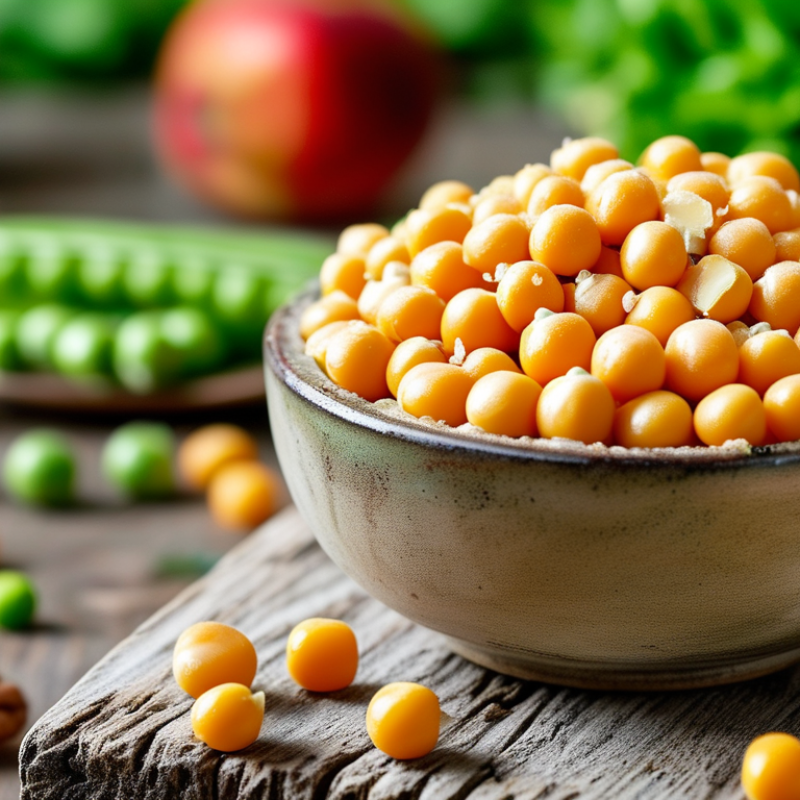
Pea protein isolate is gaining popularity for several reasons. Its composition offers a rich source of protein, primarily derived from yellow peas. This plant-based protein contains about 85-90% protein content, making it a compelling alternative to traditional animal proteins. According to research published in the Journal of Agricultural and Food Chemistry, pea protein boasts a balanced amino acid profile. It includes essential amino acids, which are crucial for muscle recovery and overall health.
Beyond its protein content, pea protein isolate is low in allergens. This is particularly beneficial for those with dairy or gluten sensitivities. A report by the Food and Agriculture Organization indicates that legumes like peas contribute significantly to the diet. They are rich in iron, magnesium, and other micronutrients. For instance, a typical serving can provide around 30% of the daily recommended value for iron, a vital mineral for oxygen transport in the body.
However, there are considerations to reflect on. Some individuals may find the texture or taste of pea protein less appealing. Adequate hydration can also be important, as high protein intake must be balanced with sufficient water intake. Overall, while pea protein isolate is a nutritious choice, personal preferences and dietary needs should guide its integration into one’s diet.
Benefits of Pea Protein Isolate
Advantages of Pea Protein Isolate Over Other Protein Sources
Pea protein isolate is gaining popularity for its numerous advantages over alternative protein sources. It is an excellent choice for vegans and vegetarians. A study from the Journal of Nutrition highlights that pea protein is rich in essential amino acids, particularly arginine and lysine. This makes it comparable to whey protein, but less allergenic.
Additionally, pea protein has lower environmental impacts. According to a 2020 report by the Food and Agriculture Organization, plant-based proteins require significantly less water and land compared to animal proteins. This ecological benefit appeals to consumers conscious of their carbon footprint. Moreover, pea protein can support muscle growth effectively, as noted in research from the American Journal of Clinical Nutrition, showing similar muscle protein synthesis compared to whey protein.
The digestibility of pea protein is another point of interest. Unlike some other plant proteins, it is easier for many individuals to digest. Some people experience bloating and discomfort from gluten or dairy-based proteins. In contrast, pea protein isolate presents a lower risk of such adverse effects. While further research is needed on long-term effects, current findings show promise for those seeking a balanced, plant-based diet.
Why Choose Pea Protein Isolate for Your Nutrition Needs? - Advantages of Pea Protein Isolate Over Other Protein Sources
| Protein Source | Protein Content (g per 100g) | Amino Acid Profile | Digestibility | Allergen-Friendly | Environmental Impact |
| Pea Protein Isolate | 80 | Rich in BCAAs | Highly digestible | Yes | Low |
| Whey Protein | 80 | Complete | Very high | No | Moderate |
| Soy Protein | 85 | Complete | High | No | Moderate |
| Casein Protein | 80 | Complete | High | No | High |
| Hemp Protein | 50 | Incomplete | Moderate | Yes | Moderate |
Digestibility and Absorption of Pea Protein: What You Need to Know
Pea protein isolate has gained attention due to its digestibility and absorption rates. This plant-based protein source is known to be easy on the stomach, which is vital for those with sensitivities. Studies suggest that pea protein is about 85-90% digestible, making it a reliable option for maintaining muscle mass and overall health.
For those looking to enhance their nutrition, it's essential to consider protein absorption. Pea protein contains all nine essential amino acids, though in lower amounts than some animal proteins. Pairing it with other protein sources can improve its overall efficacy. This strategy not only boosts absorption but also promotes a more balanced diet.
When selecting a protein source, reflect on your dietary needs. Every individual’s body reacts differently to various proteins. Pay attention to how your body feels after each meal. A slight discomfort could indicate an intolerance. Listening to your body is key to making informed nutritional choices. Remember, not all proteins are created equal; it's crucial to find the right fit for you.
Environmental Impact of Choosing Pea Protein Isolate in Your Diet
Pea protein isolate is gaining attention for its favorable environmental impact. Cultivating peas requires significantly less water compared to animal protein sources. According to a study by the Water Footprint Network, producing one kilogram of pea protein uses about 3,000 liters of water, while beef production can exceed 15,000 liters. This stark contrast emphasizes pea protein's efficiency in water use.
Additionally, the carbon footprint of pea protein is considerably lower. Research from the Environmental Science and Technology journal highlights that plant-based proteins, including pea, emit 50% less greenhouse gases than beef. This is crucial as the world seeks to combat climate change. Shifting towards plant-based diets could halve food-related emissions by 2050, as indicated by the IPCC.
However, challenges remain. The sustainability of pea protein is affected by agricultural practices. Unsustainable farming methods can lead to soil degradation. It’s essential to focus on methods that preserve soil health and biodiversity. Sustainable practices promote not just protein production but also a healthier ecosystem. Awareness and education on these practices are fundamental for consumers seeking eco-friendly nutrition.
Incorporating Pea Protein Isolate into Your Daily Nutrition Plan
Incorporating pea protein isolate into your daily nutrition plan can be a smart choice for many people. Pea protein is a high-quality plant-based protein, offering about 25 grams of protein per 30-gram serving. This makes it an excellent option for those aiming to increase protein intake without animal products. It is especially appealing to athletes and fitness enthusiasts, as plant-based diets become more popular. Research indicates that adequate protein intake supports muscle building and recovery, crucial in any workout regime.
To add pea protein isolate to your meals, consider blending it into smoothies for breakfast. You can also mix it into pancake or waffle batter for a nutritious start to your day. Many individuals find that adding a scoop to soups or stews boosts their protein content without altering flavors significantly. It also works well in baking, enriching muffins or energy bars with plant-based protein.
Experiment with your serving sizes. While it's easy to add too much protein in one go, moderation is key. Too much protein can lead to digestive discomfort. It's beneficial to listen to your body and adjust accordingly. Keep in mind that balance in your nutrition is essential. Pea protein should complement other nutrients in your diet, not replace them. Consider grouping it with healthy fats, fiber, and carbohydrates for optimal nutrition.